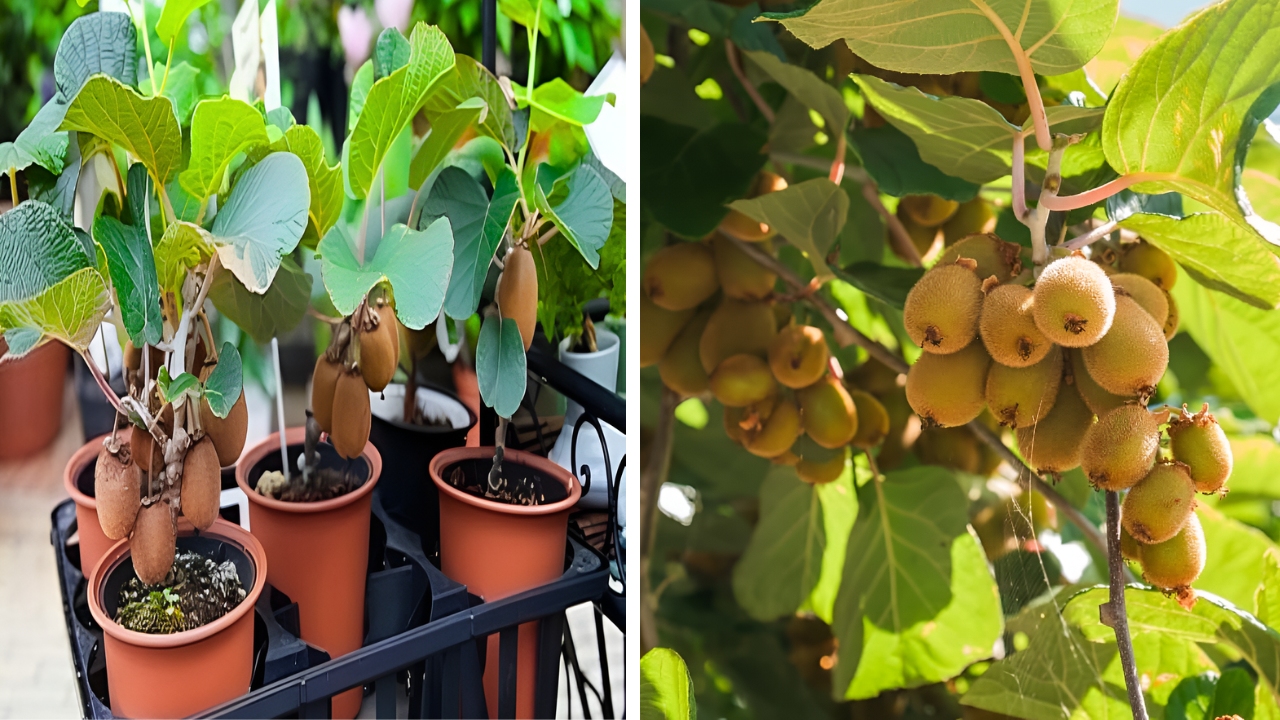
Kiwi berries are a small, smooth-skinned cousin of the traditional kiwi fruit. Unlike their fuzzy relatives, these bite-sized fruits can be eaten whole, making them a fun and healthy addition to any garden. They’re rich in vitamin C, antioxidants, and fiber, offering a boost to your diet while adding an unusual and attractive element to your garden.
Adding a kiwi berry plant to your Westmeath garden means more variety and excitement. They are perennial climbers, so with proper support, they’ll provide fruit for many years to come.
When to Plant Kiwi Berries in a Garden
The best time to plant kiwi berries is in early spring, after the last frost has passed. This allows the plant to establish roots before the warmer months. In Westmeath’s climate, late March to April is ideal.
Young plants should be monitored closely for frost damage during early spring nights. A light fleece cover can protect tender shoots without affecting growth.


How Kiwi Berry Plants Grow – Explained Simply
Kiwi berries are climbing vines that can reach up to 12–15 feet if trained along a trellis. Male and female plants are required for fruit production, with one male able to pollinate up to 8–10 females. Flowering occurs in late spring, and fruits are ready to harvest around late August to September, depending on the weather.
They prefer well-drained soil, full sun, and a sheltered spot. Regular watering and mulch around the base help maintain moisture and protect the roots.
Understanding Early Potatoes and Their Progress
Early potatoes are a spring favorite in Irish gardens, prized for their fast growth and tender flavor. Planted in March or April, they can be ready to harvest in as little as 10–12 weeks.
In the Westmeath garden, the early potatoes are showing strong green shoots above the soil. Hilling soil around the stems as they grow encourages better tuber formation and prevents greening.

Common Mistakes With Kiwi Berries and Early Potatoes
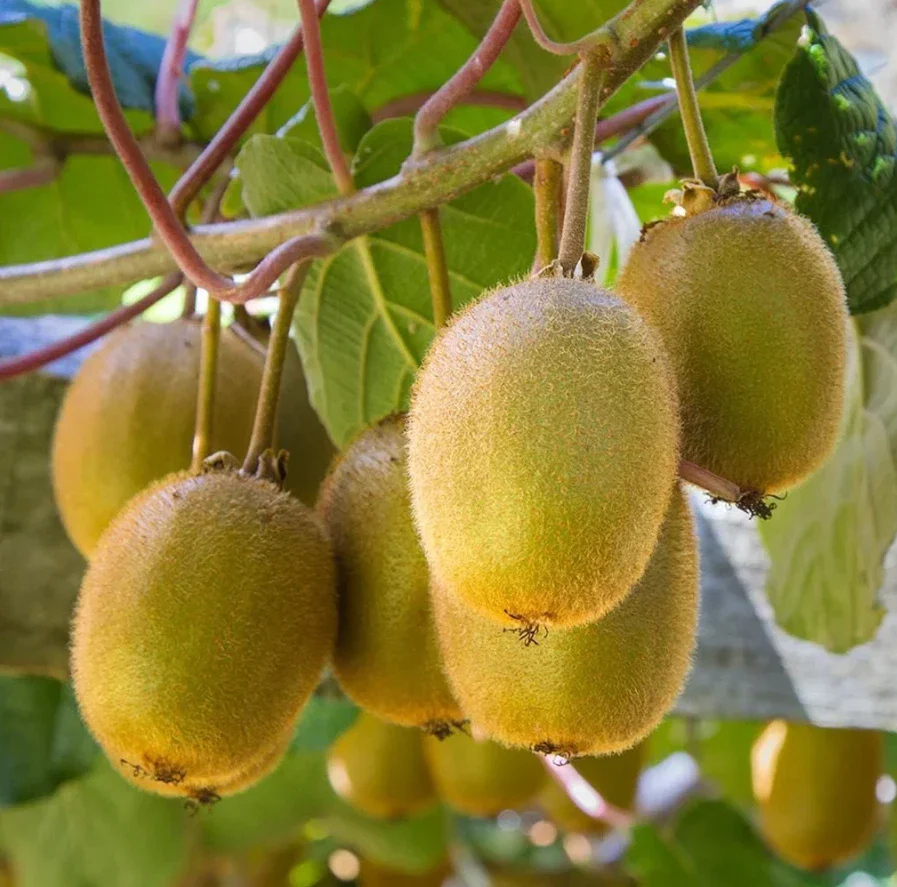
For kiwi berries, a common mistake is planting without male pollinators. Without a male plant, female vines won’t produce fruit. Another issue is overwatering, which can cause root rot.
For early potatoes, overwatering or poor drainage can lead to rot, while planting too late delays harvest and reduces yields.
Best Tips to Make the Most of Your Westmeath Garden
- Support Kiwi Berries Properly: Use a sturdy trellis or fence, as the vines can get heavy once fruiting.
- Regular Pruning: Trim kiwi vines in winter to maintain shape and encourage fruit production.
- Hilling Potatoes: Add soil around growing potato stems every few weeks to increase tuber yield.
- Monitor Pests: Keep an eye out for aphids, slugs, and potato blight, and use natural or organic controls.
Here’s a quick comparison table for garden planting:
| Plant | Planting Time | Harvest Time | Key Care Tip |
|---|---|---|---|
| Kiwi Berry | Early Spring | Late Aug–Sept | Provide trellis & male pollinator |
| Early Potatoes | March–April | 10–12 weeks | Hill soil around stems regularly |
How to Harvest Kiwi Berries and Early Potatoes
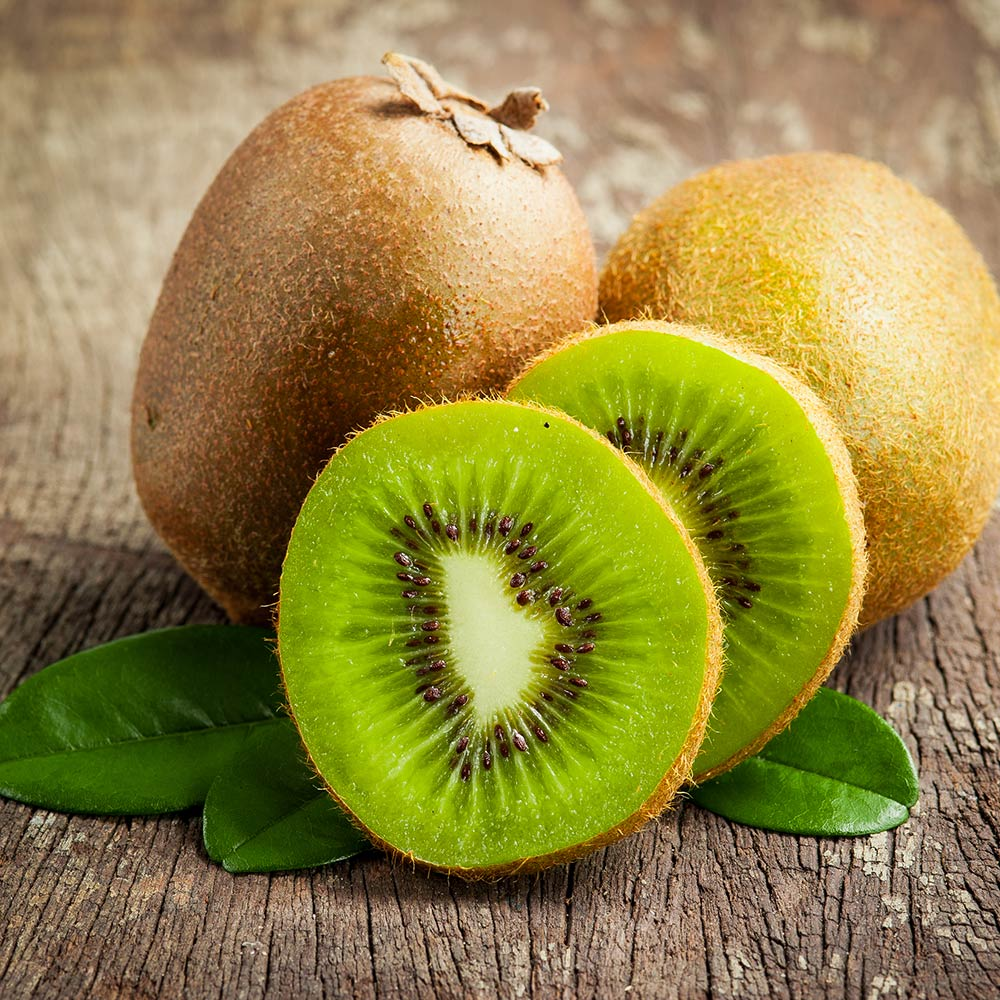
Kiwi berries are ready when they give slightly under gentle pressure but remain firm. Harvest by hand and enjoy immediately or store in the fridge for up to two weeks.

Early potatoes are harvested by gently lifting the soil once the plants flower and start yellowing. Handle the tubers carefully to avoid bruising, and cure them in a cool, dark space for a few days before storage.
Conclusion
Westmeath gardens are thriving this spring with the arrival of kiwi berries and the progress of early potatoes. By choosing the right planting times, providing proper care, and monitoring growth, you can enjoy a diverse and productive garden. Kiwi berries offer novelty and nutrition, while early potatoes promise tender, homegrown flavor. Together, they make gardening both rewarding and exciting.
Disclaimer
The information provided in this article is for general gardening guidance and educational purposes only. Growing conditions, climate, and plant care requirements can vary by region, soil type, and weather. Always consult local gardening experts or extension services for advice specific to your area. The author is not responsible for any loss, damage, or injury resulting from the use of the information provided.