
Grow bags are perfect for sweet potatoes because they provide excellent drainage and air circulation. Unlike heavy garden soil, grow bag soil stays loose, allowing the roots to spread easily and develop into healthy tubers. They’re also portable, so you can move them around to catch the best sunlight. Plus, growing in bags helps avoid common soil diseases and pests that affect sweet potatoes in traditional garden beds.
Choosing the Right Grow Bags and Soil
For sweet potatoes, choose grow bags that are at least 10 to 15 gallons in size. The bigger the bag, the more room the tubers will have to develop. Fabric grow bags are ideal because they allow air to reach the roots and prevent waterlogging.
Use a loose, well-draining soil mix. You can combine equal parts of garden soil, compost, and coarse sand or perlite. Sweet potatoes prefer slightly acidic to neutral soil, with a pH around 6.0 to 6.5. Avoid using heavy clay soil, as it can compact and restrict root growth.
Preparing and Planting Sweet Potato Slips
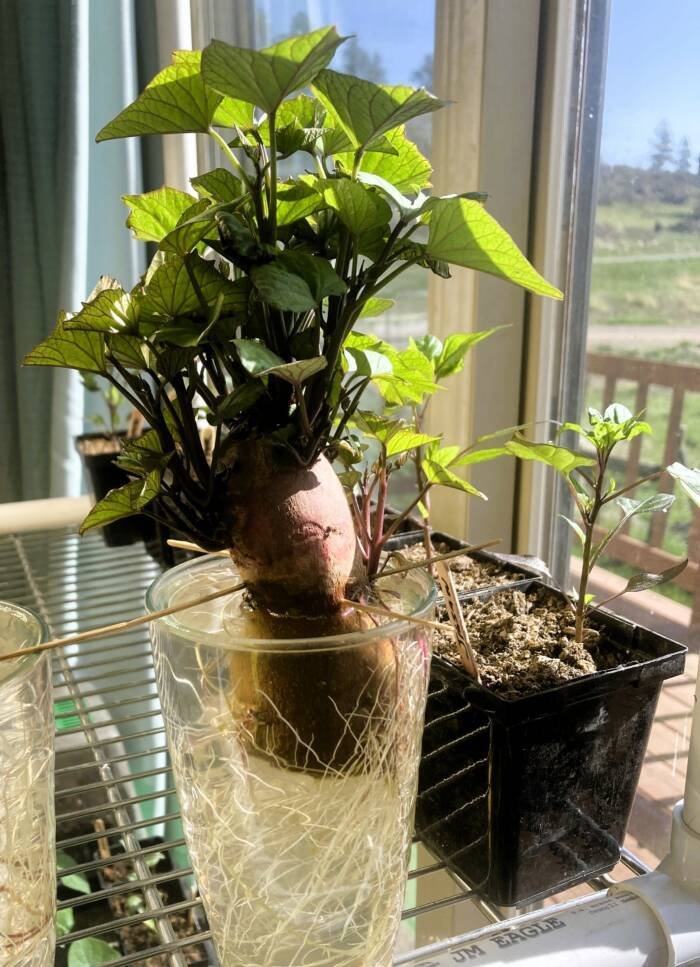
Sweet potatoes are not grown from seeds but from slips, which are sprouts that grow from mature sweet potatoes. You can buy ready-made slips from a nursery or make your own by placing a sweet potato in water until it starts to sprout. Once the sprouts are about 6 inches long, gently twist them off and place them in water until they grow roots.
When your slips have small white roots, they’re ready to be planted. Fill your grow bag about two-thirds full with soil, then plant three to four slips per bag, spacing them evenly. Bury each slip deep enough so that only a few leaves are above the surface. Water well after planting.

Providing the Right Growing Conditions
Sweet potatoes love warmth and sunshine. Place your grow bags in a spot that gets at least six to eight hours of direct sunlight daily. They thrive best in temperatures between 75°F and 95°F. If you live in a cooler climate, you can start them indoors and move the bags outside once the weather warms up.
Keep the soil consistently moist, but not soggy. Overwatering can lead to rot, while dry soil can stunt growth. It’s best to water deeply once or twice a week, depending on the weather. You can mulch the top of the bag with straw or dry leaves to help retain moisture.
Feeding and Caring for Your Plants
During the first few weeks, your sweet potato vines will grow quickly. You can feed them every two to three weeks with a balanced organic fertilizer or compost tea. Avoid fertilizers high in nitrogen, as they encourage leafy growth instead of tuber development.
As the vines spread, they may start to hang over the sides of the grow bag. That’s perfectly fine—just make sure they have space to grow. You can gently train the vines to grow outward to avoid overcrowding.
Common Problems and How to Prevent Them
Sweet potatoes are generally low-maintenance, but a few issues can appear. Watch out for pests like aphids or whiteflies. You can spray them with a mild soap solution or neem oil. Fungal diseases such as root rot are usually caused by poor drainage or overwatering, so make sure your bags drain well.
If you notice yellowing leaves, it might be a sign of nutrient deficiency or too much water. Adjust your care routine accordingly, and your plants should recover quickly.

How to Know When Sweet Potatoes Are Ready to Harvest
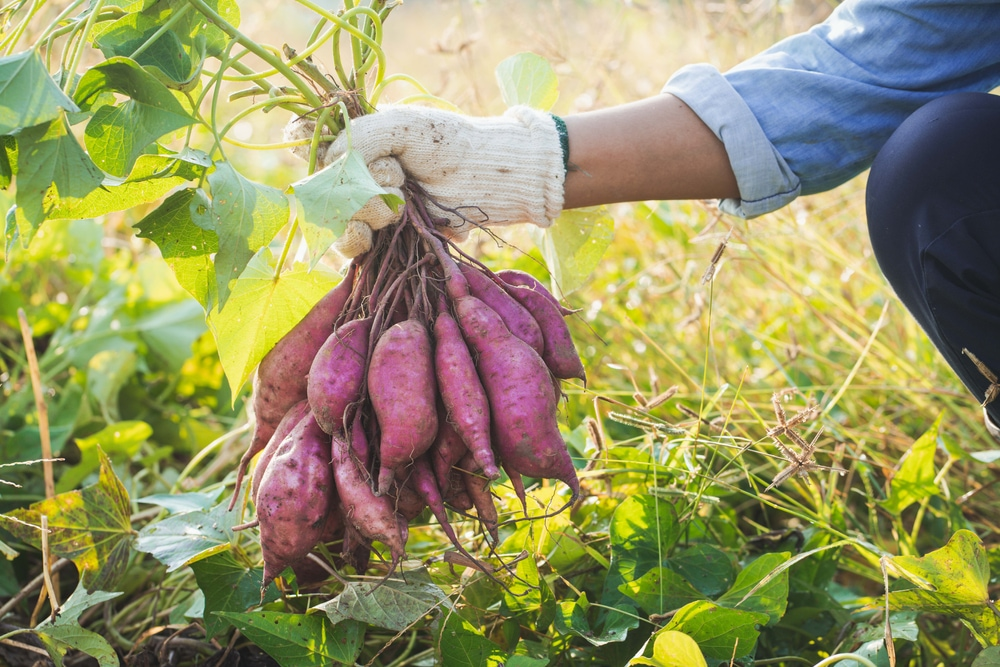
Sweet potatoes are usually ready to harvest about 90 to 120 days after planting, depending on the variety. The best sign that they’re mature is when the leaves start to yellow and die back. Stop watering about a week before harvesting to allow the tubers to firm up.
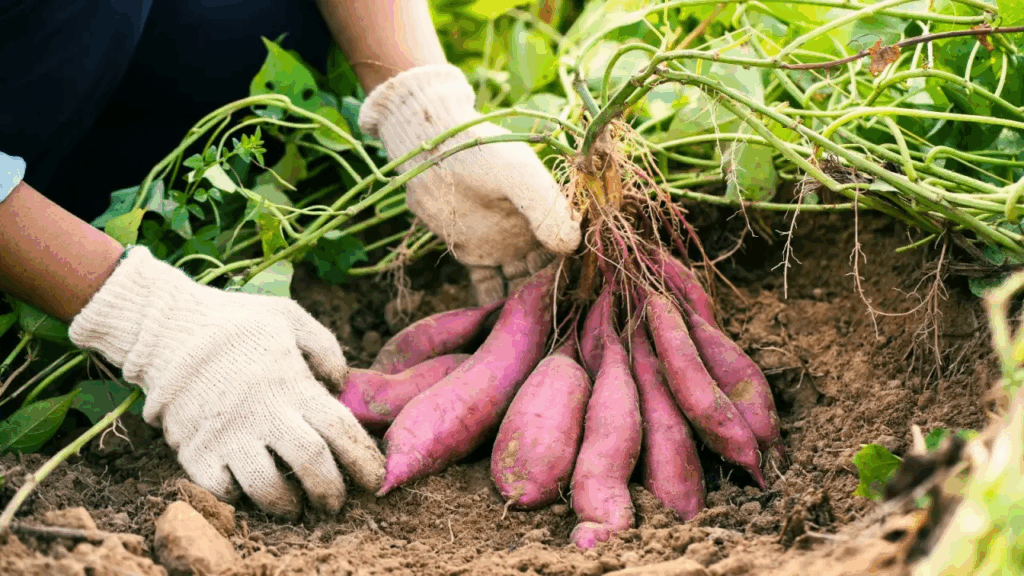
To harvest, gently empty the grow bag and sift through the soil with your hands to find the sweet potatoes. Be careful not to bruise them, as damaged tubers don’t store well. Brush off the excess soil but avoid washing them immediately.
Curing and Storing Your Sweet Potatoes
After harvesting, cure your sweet potatoes to improve their flavor and shelf life. Place them in a warm, humid area (around 85°F) for about 10 days. This helps convert starches into sugars and heals small cuts on the skin. Once cured, store them in a cool, dry, and dark place, ideally between 55°F and 60°F. Properly stored sweet potatoes can last for several months.
Final Tips for a Successful Harvest
Rotate your grow bags each year if you plan to keep growing sweet potatoes, and refresh the soil to prevent nutrient depletion. You can also reuse the vines as cuttings for the next growing season. Growing sweet potatoes in grow bags is not just practical it’s an enjoyable way to connect with nature and taste the rewards of your own hard work.

Disclaimer
The information in this article is based on general gardening knowledge and personal experience. Results may vary depending on climate, soil type, and growing conditions. Always research your local environment and plant variety for the best outcome