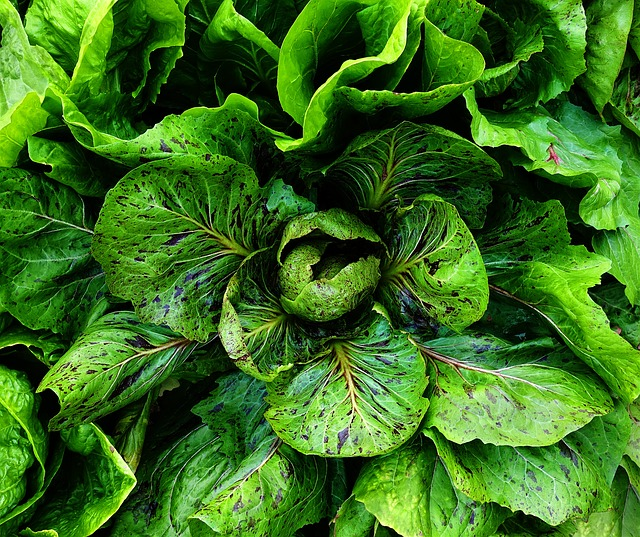
Radicchio is a striking leafy vegetable known for its bold color, slightly bitter flavor, and crisp texture. Often used in salads, grilled dishes, or as a garnish, radicchio not only adds visual appeal to meals but also delivers nutritional benefits such as vitamins, antioxidants, and fiber. While it may seem challenging to grow due to its distinct taste and growth requirements, radicchio is actually quite manageable for home gardeners with the right approach. By following careful planting and care practices, you can enjoy beautiful, flavorful heads of radicchio right from your garden.
Choosing the Right Radicchio Variety
There are several varieties of radicchio to choose from, each with unique characteristics. Popular types include Chioggia, Treviso, and Castelfranco. Chioggia radicchio forms round heads with deep red leaves and white veins, making it ideal for salads. Treviso has elongated leaves with a more intense bitterness, perfect for grilling or braising. Castelfranco is a bicolor variety with red and cream leaves, offering a milder flavor and a decorative appearance. Selecting the right variety depends on your taste preference, intended culinary use, and growing conditions.
Preparing the Soil
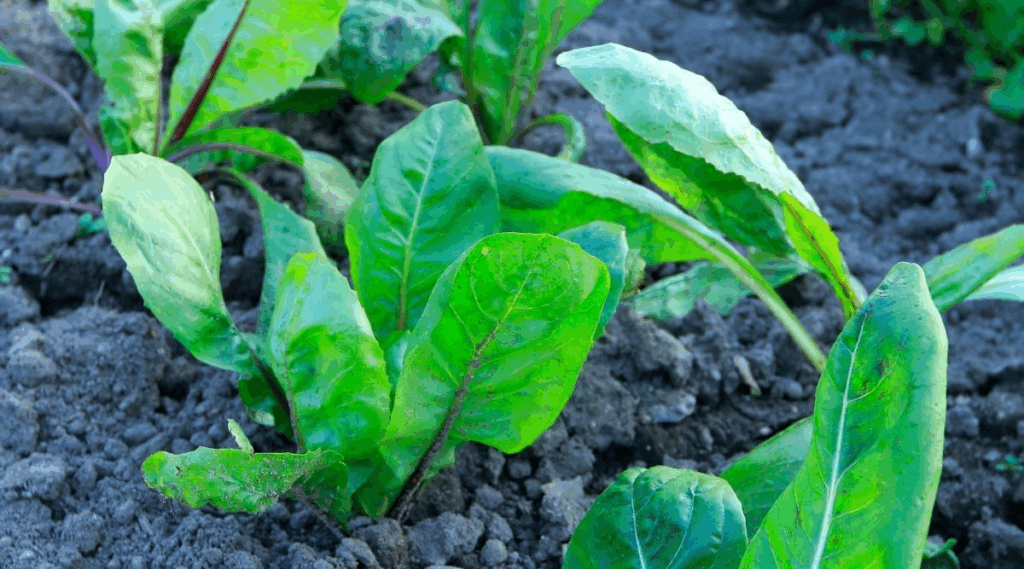
Radicchio grows best in well-drained, fertile soil rich in organic matter. Loosen the soil to a depth of at least 8 inches and mix in compost or aged manure to improve structure and nutrient content. A slightly acidic to neutral pH between 6.0 and 7.0 is ideal. Adequate soil preparation ensures strong root development and healthy growth, which directly affects the size and quality of the heads.
Planting Radicchio Seeds
Radicchio can be started indoors or sown directly in the garden. For early planting, start seeds indoors 6 to 8 weeks before the last expected frost. Sow seeds about a quarter-inch deep in seed trays or small pots, keeping the soil moist but not waterlogged. When seedlings have developed 2 to 3 true leaves, they can be transplanted outdoors. Space the plants 8 to 12 inches apart in rows at least 12 to 18 inches apart to allow for adequate airflow and head development.
Direct sowing can be done once soil temperatures reach at least 50 degrees Fahrenheit. Radicchio prefers cooler weather, making it a perfect crop for spring and fall. Proper spacing, soil preparation, and consistent moisture are key to encouraging strong, uniform growth.
Watering and Mulching
Radicchio requires consistent moisture to develop tender, flavorful leaves. Aim for about one inch of water per week, more during dry spells. Drip irrigation or soaker hoses work well to keep water off leaves, reducing the risk of fungal diseases. Mulching around the base of the plants helps retain soil moisture, suppress weeds, and maintain a steady soil temperature, which is particularly important for cooler-season crops like radicchio.
Fertilization and Growth Support
To support vigorous growth, radicchio benefits from balanced fertilization. Incorporate a slow-release fertilizer into the soil before planting, or side-dress with a nitrogen-rich fertilizer once seedlings are established. Avoid over-fertilization, as excessive nitrogen can produce lush, leafy growth at the expense of forming firm heads. Healthy, well-fertilized plants will develop compact, flavorful heads that are ready for harvest in time.
Managing Pests and Diseases
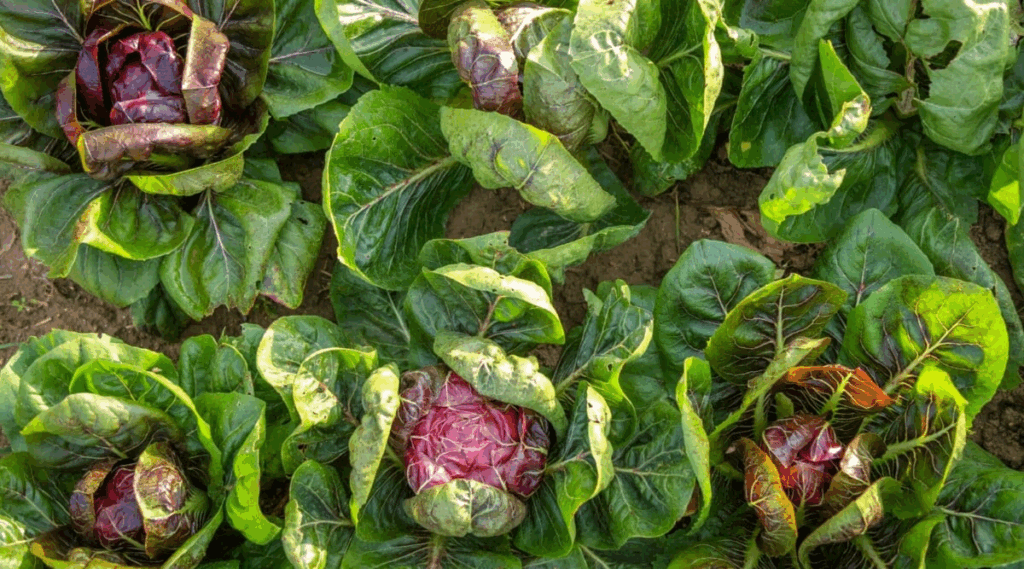
Common pests affecting radicchio include aphids, slugs, and caterpillars. Regular inspection of leaves and early removal of pests can prevent significant damage. Organic methods such as neem oil sprays or introducing beneficial insects like ladybugs can also help control infestations. Fungal diseases such as downy mildew or leaf spot can occur in damp conditions. Proper spacing, good airflow, and crop rotation help minimize disease risks and maintain plant health.

Harvesting Radicchio
Radicchio heads are typically ready to harvest 70 to 90 days after sowing, depending on the variety. The heads should feel firm and compact, with vibrant coloration and crisp leaves. Use a sharp knife to cut the heads at the base just above the soil line. For continuous harvest, remove outer leaves as needed while allowing inner leaves to continue growing. Radicchio tastes best when slightly chilled or lightly braised, as cooler temperatures reduce bitterness and enhance its natural sweetness.
Storing and Enjoying
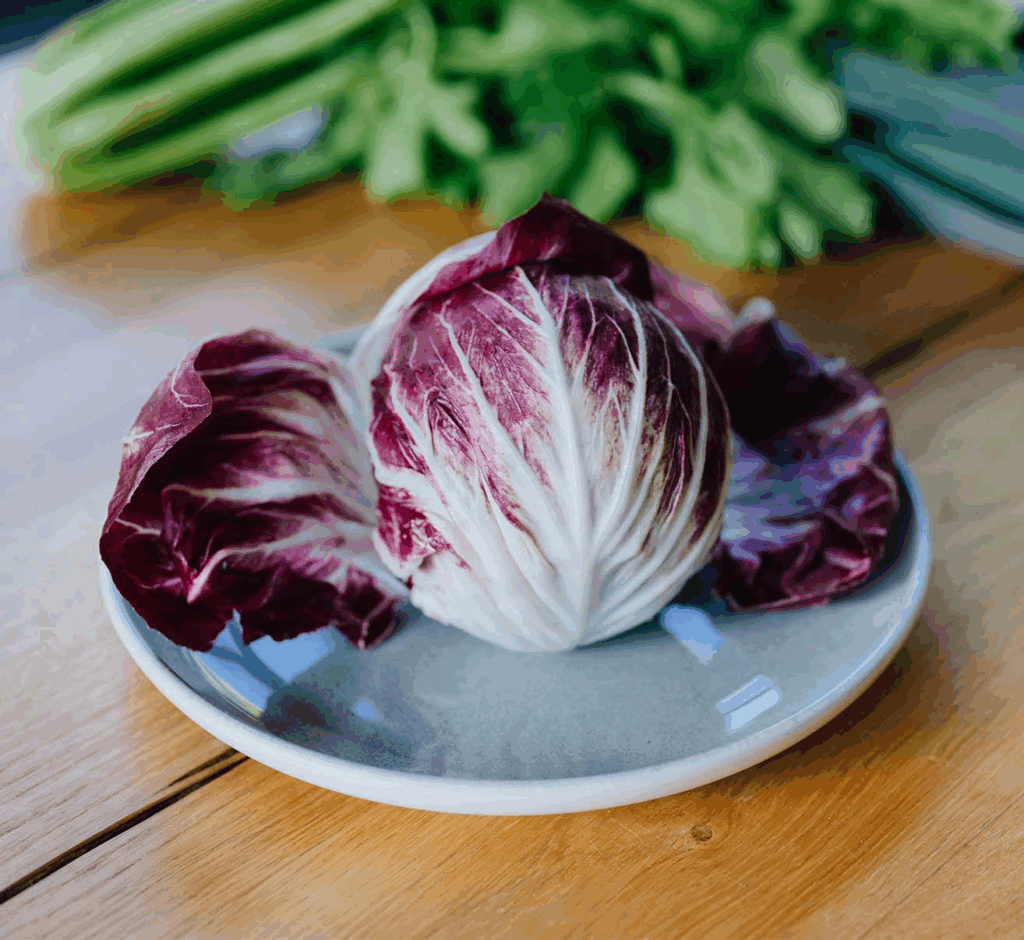
Freshly harvested radicchio can be stored in the refrigerator for up to two weeks. Keep the heads unwashed and wrapped in a damp paper towel inside a perforated plastic bag to maintain freshness. Radicchio can be enjoyed raw in salads, roasted, grilled, or incorporated into risottos and pasta dishes. Growing your own radicchio ensures peak flavor, better texture, and a vibrant addition to any meal.
Conclusion
Growing radicchio from seed to harvest is a rewarding experience for home gardeners. By choosing the right variety, preparing soil carefully, providing consistent care, and managing pests and diseases, gardeners can enjoy bold, flavorful, and visually stunning heads of radicchio. With its unique taste, vibrant color, and versatility in the kitchen, radicchio is a worthwhile addition to any vegetable garden, offering both culinary delight and gardening satisfaction.
Disclaimer
This article is intended for informational purposes only and does not constitute professional agricultural or horticultural advice. Growing conditions, climate, and soil quality may affect results. Readers should consult local gardening experts or extension services for region-specific guidance.