
Most people recognize kohlrabi for its round, bulb-like base, often used in slaws or roasted vegetable dishes. Yet, few realize that the leafy tops known as kohlrabi greens are just as valuable, if not more so. These greens are rich in nutrients, full of flavor, and surprisingly versatile in the kitchen. As Americans continue to embrace healthier and more sustainable eating habits, kohlrabi greens are emerging from the shadows as a powerful, nutrient-dense superfood that has long been overlooked.
What Are Kohlrabi Greens?
Kohlrabi, a member of the cabbage family, produces thick stems and broad, edible leaves. While the bulb is often the star of the show, the greens attached to it are packed with vitamins, minerals, and antioxidants. They have a mild, slightly peppery taste somewhere between kale and collard greens with a tender texture when cooked properly. These greens can be sautéed, blended into smoothies, or added to soups, making them a versatile addition to any diet.
Nutritional Powerhouse
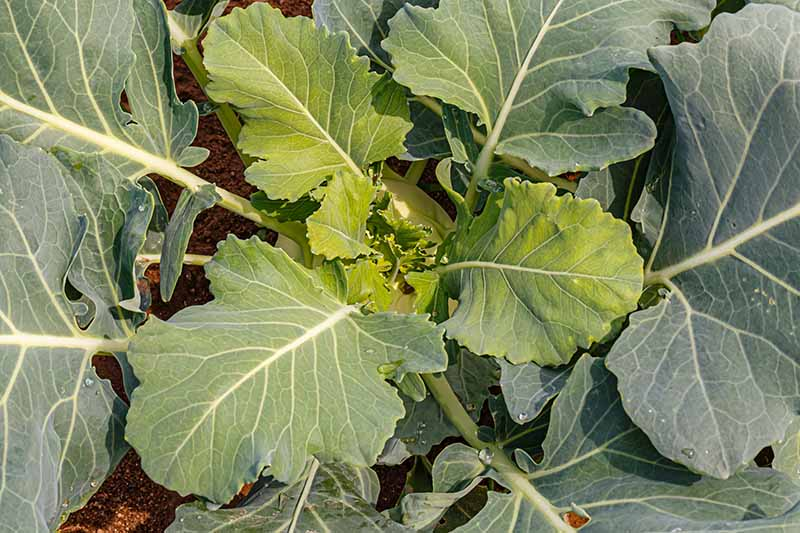
Kohlrabi greens are bursting with nutrition. They are an excellent source of vitamins A, C, and K, which support immune function, vision, and bone health. The greens are also rich in calcium, iron, magnesium, and potassium minerals that promote strong bones, muscle function, and heart health. In addition, they provide a generous amount of dietary fiber, which helps with digestion and keeps you feeling full longer.
What truly makes kohlrabi greens stand out is their antioxidant content. They contain compounds such as carotenoids and flavonoids that help combat oxidative stress, reduce inflammation, and may lower the risk of chronic diseases. For people seeking a natural, plant-based source of powerful nutrients, kohlrabi greens offer a simple yet effective option.
The Health Benefits of Kohlrabi Greens
Incorporating kohlrabi greens into your meals can have multiple health benefits. Their high vitamin C content boosts the immune system and promotes collagen production, supporting skin health. Vitamin K plays a vital role in blood clotting and bone strength, while the fiber content aids digestion and supports a healthy gut.

The greens are also low in calories but rich in nutrients, making them ideal for those managing weight or seeking balanced nutrition. Because of their antioxidant and anti-inflammatory properties, kohlrabi greens may also contribute to improved heart health by helping to regulate cholesterol levels and reduce blood pressure. Regular consumption can enhance overall wellness and provide the body with essential nutrients that are often lacking in modern diets.
How to Use Kohlrabi Greens in Your Kitchen
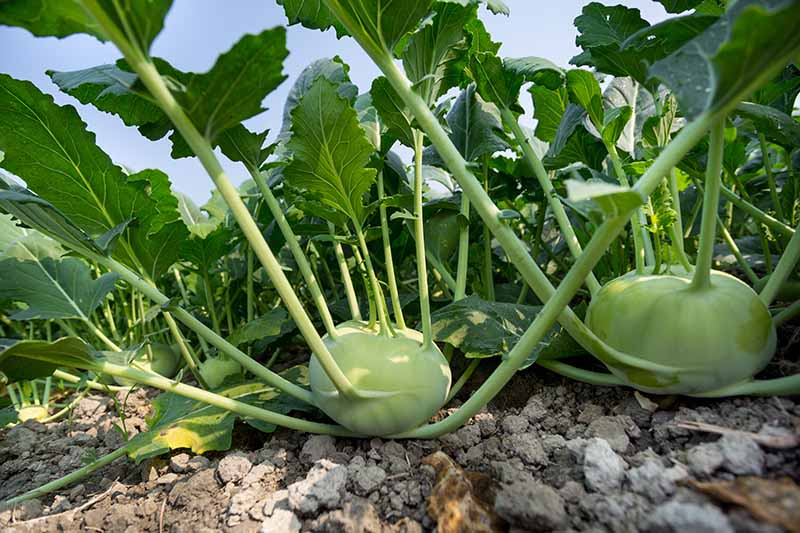
Cooking with kohlrabi greens is simple and rewarding. They can be used much like spinach, collards, or kale. One of the easiest ways to enjoy them is to sauté the leaves with garlic and olive oil for a quick, flavorful side dish. Adding a squeeze of lemon or a sprinkle of chili flakes enhances the flavor.
For a heartier meal, the greens can be added to soups, stews, or stir-fries. They hold up well to heat and absorb flavors beautifully. Chopped kohlrabi greens also make a nutritious addition to omelets, grain bowls, or pasta dishes. For smoothie lovers, a handful of raw kohlrabi greens blended with fruits and yogurt can add a nutrient boost without overpowering the taste.
Reducing Food Waste
One of the most important reasons to start using kohlrabi greens is sustainability. In many grocery stores and home kitchens, the leaves are trimmed off and discarded, even though they are perfectly edible and nutritious. Using the entire vegetable helps reduce food waste and makes the most of your grocery budget. As awareness of sustainable eating grows, more people are finding creative ways to use every part of their produce and kohlrabi greens are a prime example of that shift.
How to Grow and Harvest Kohlrabi Greens
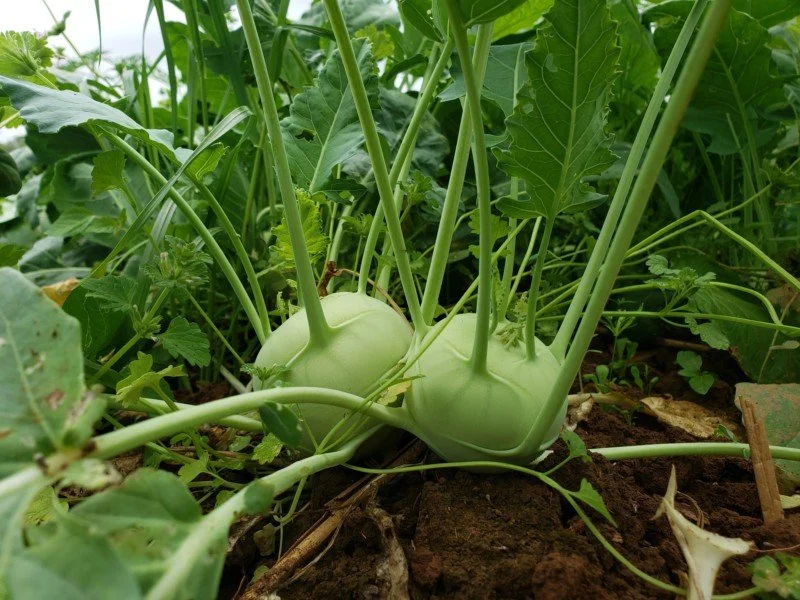
For those with a home garden, growing kohlrabi is both easy and rewarding. The plant thrives in cool weather and can be grown in spring or fall. The greens can be harvested at any stage young leaves are tender and mild, while mature leaves have a stronger flavor and thicker texture. Regular harvesting of outer leaves encourages continuous growth and a more abundant yield.

Gardeners can enjoy the dual benefit of kohlrabi bulbs and greens from the same plant, making it a valuable crop for small spaces. Freshly picked greens have the best flavor and nutritional value, so harvesting right before cooking ensures maximum freshness.
Storing and Preparing Kohlrabi Greens
After harvesting or purchasing kohlrabi greens, it’s important to store them properly to maintain freshness. Remove any wilted leaves and wash them thoroughly to remove dirt. Store the greens in the refrigerator wrapped in a damp paper towel and placed inside a perforated plastic bag. They typically last up to a week when stored this way.
Before cooking, trim the thick stems if you prefer a softer texture. However, the stems themselves are edible and can be chopped and sautéed or added to soups for extra crunch and fiber. Whether you cook them or enjoy them raw in salads, kohlrabi greens can easily be incorporated into daily meals.
Why Kohlrabi Greens Are the Next Big Thing
As Americans become more conscious of nutrition, sustainability, and food variety, kohlrabi greens are gaining the recognition they deserve. They offer a simple way to enhance meals with color, flavor, and health benefits while minimizing waste. Once considered a throwaway part of the vegetable, these greens are now being featured in restaurants, farmers markets, and home kitchens nationwide.
The rediscovery of kohlrabi greens reflects a broader trend in healthy eating: valuing the whole plant and appreciating the powerful nutrition that nature provides. They are a reminder that sometimes the most extraordinary foods are hiding in plain sight, just waiting to be rediscovered.

Conclusion
Kohlrabi greens are a hidden superfood that deserves a place on every American table. Packed with essential vitamins, minerals, antioxidants, and fiber, they provide a wide range of health benefits while offering great taste and versatility. Whether sautéed, blended, or tossed into a fresh salad, these greens are an easy addition to any meal. By incorporating them into your diet, you not only nourish your body but also help reduce food waste and promote a more sustainable way of eating.
Disclaimer
This article is for informational purposes only and should not be considered medical advice. Individuals with specific health conditions or dietary restrictions should consult a healthcare professional or nutritionist before making significant changes to their diet.