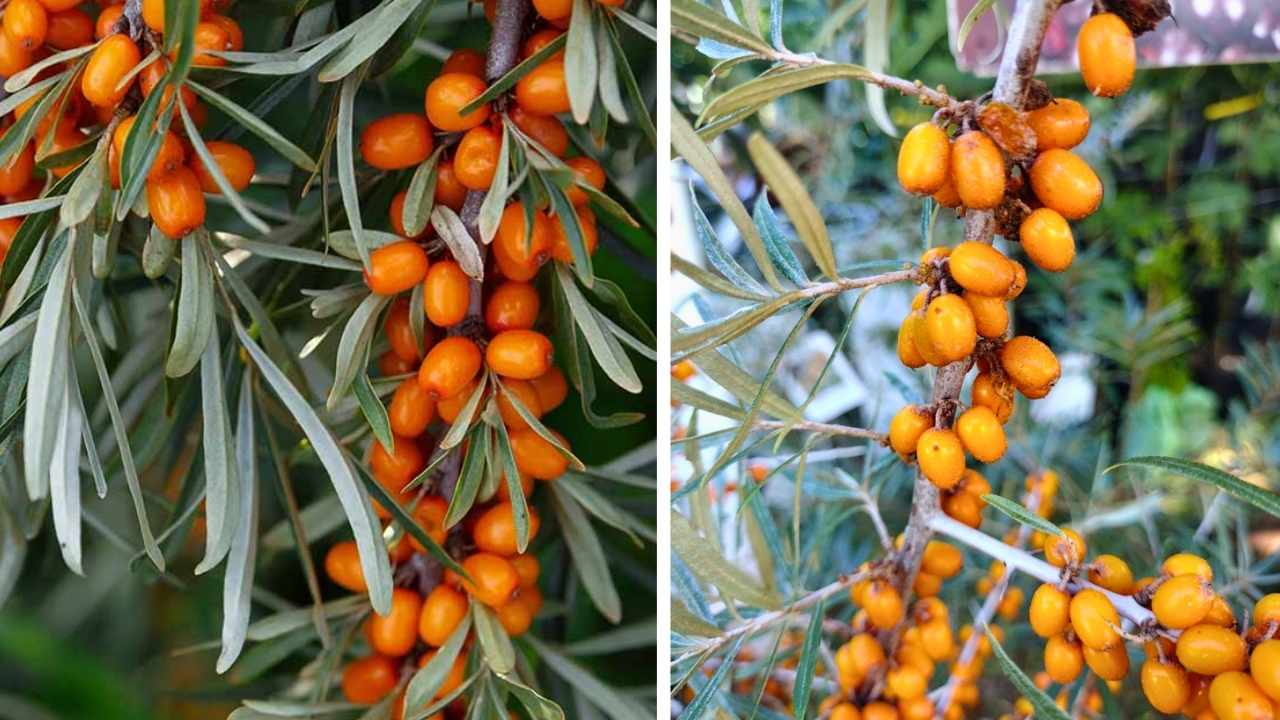
Sea buckthorn is a hardy shrub known for its bright orange berries packed with nutrients. Native to Europe and Asia, it thrives in challenging conditions and offers both agricultural and health benefits. Growing sea buckthorn from seed is a rewarding process that requires patience but can lead to abundant harvests. This guide explains how to cultivate sea buckthorn successfully, ensuring maximum yield and nutritional value.
Understanding Sea Buckthorn
Sea buckthorn belongs to the Elaeagnaceae family and is valued for its resilience and productivity. It can tolerate poor soils, drought, and cold climates, making it suitable for diverse regions. The berries are rich in vitamins, antioxidants, and fatty acids, widely used in food, cosmetics, and medicine. Knowing the plant’s characteristics helps in planning effective cultivation.
Step 1: Selecting Quality Seeds
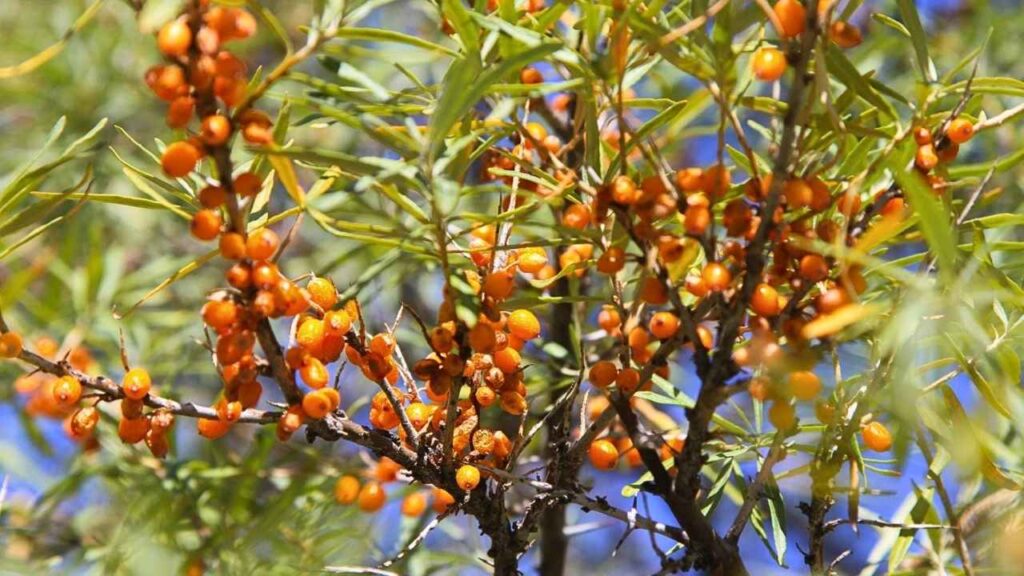
The first step is choosing viable seeds. Fresh seeds from reputable sources ensure better germination rates. Since sea buckthorn has male and female plants, it is important to grow several seedlings to ensure pollination. Without male plants, female shrubs will not produce fruit.
Step 2: Seed Preparation
Sea buckthorn seeds require stratification to break dormancy. This involves exposing seeds to cold conditions for several weeks. Place seeds in moist sand or peat and refrigerate them for 6 to 8 weeks. This process mimics natural winter conditions and prepares seeds for germination.

Step 3: Germination
After stratification, sow the seeds in trays filled with well-draining soil. Cover lightly with soil and water gently. Place the trays in a warm, bright location with indirect sunlight. Keep the soil moist but not waterlogged. Germination usually occurs within two to three weeks.
Step 4: Transplanting Seedlings
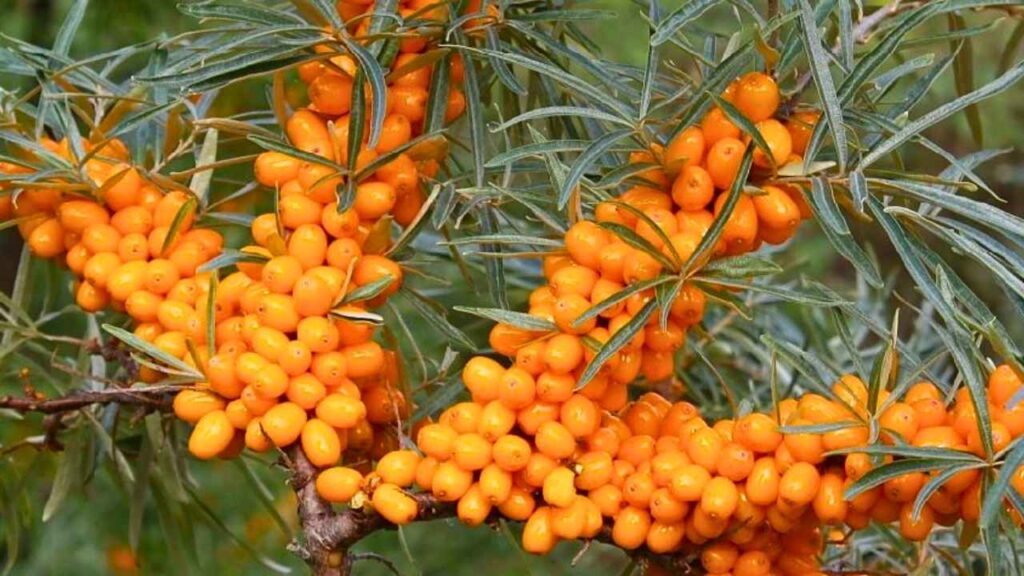
Once seedlings develop several leaves, they can be transplanted into larger pots or directly into the garden. Choose a sunny location with sandy or loamy soil. Sea buckthorn prefers slightly acidic to neutral soil. Space plants at least two meters apart to allow for growth and air circulation.
Step 5: Watering and Fertilization
Sea buckthorn is drought-tolerant but benefits from regular watering during its early stages. Once established, it requires minimal irrigation. Fertilization is not always necessary, as the plant can fix nitrogen from the atmosphere. However, adding compost or organic matter improves soil fertility and supports healthy growth.
Step 6: Pruning and Maintenance
Pruning helps maintain plant shape and encourages fruit production. Remove dead or weak branches to improve airflow and sunlight penetration. Regular maintenance reduces the risk of pests and diseases. Sea buckthorn is generally hardy, but monitoring for common issues ensures long-term productivity.

Step 7: Harvesting
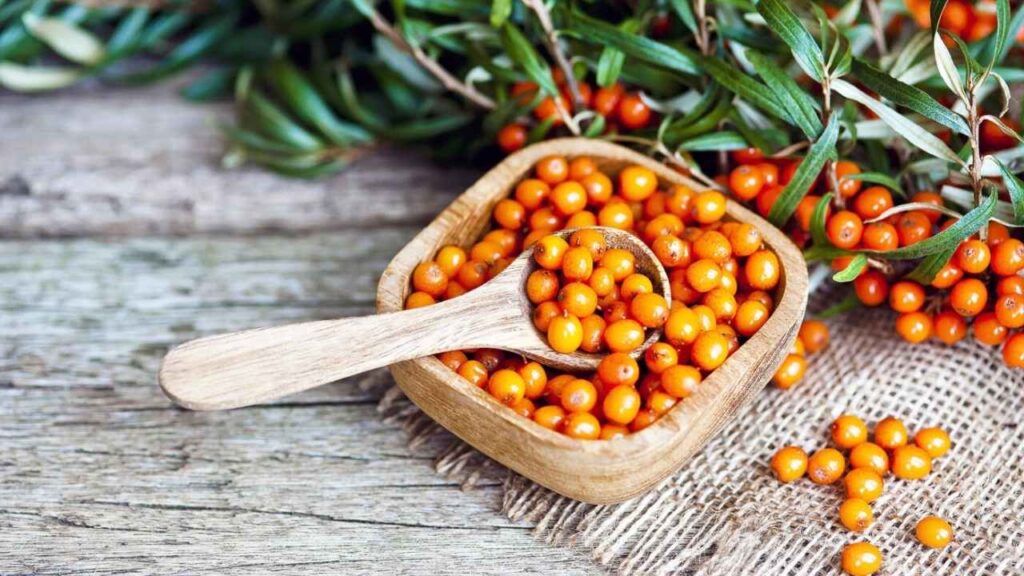
Sea buckthorn berries ripen in late summer to early autumn. Harvesting can be challenging due to the plant’s thorns and the berries’ delicate nature. Some growers freeze branches before shaking off the berries, while others use specialized tools. Once harvested, berries can be consumed fresh, processed into juice, or dried for storage.
Health Benefits of Sea Buckthorn
Sea buckthorn berries are renowned for their nutritional profile. They contain high levels of vitamin C, vitamin E, omega fatty acids, and antioxidants. These compounds support immune health, skin regeneration, and cardiovascular wellness. Incorporating sea buckthorn into the diet provides both preventive and therapeutic benefits.
Common Challenges and Solutions
Growing sea buckthorn from seed requires patience, as plants take several years to mature and bear fruit. Ensuring both male and female plants are present is crucial for pollination. Poor germination may result from inadequate stratification, so following the cold treatment process carefully is essential. Protecting young plants from extreme frost or pests helps secure healthy growth.
Benefits of Growing Sea Buckthorn at Home
Cultivating sea buckthorn offers multiple rewards. It provides a sustainable source of nutrient-rich berries, enhances soil fertility through nitrogen fixation, and adds ornamental value to gardens with its vibrant foliage and fruit. For small-scale farmers and home gardeners, it is both practical and beneficial.
Key Highlights
- Sea buckthorn is a hardy shrub with nutrient-rich berries
- Seeds require stratification for successful germination
- Male and female plants are necessary for fruit production
- Well-draining, sandy or loamy soil supports healthy growth
- Minimal irrigation and fertilization are needed once established
- Berries offer significant health benefits, including vitamins and antioxidants
Final Words
Growing sea buckthorn from seed is a journey that combines patience with reward. By preparing seeds properly, providing suitable soil and care, and ensuring both male and female plants are present, you can cultivate a thriving crop. The berries not only enrich your diet with powerful nutrients but also contribute to sustainable gardening practices. With dedication and attention, sea buckthorn can become a valuable addition to your garden, offering both beauty and health benefits for years to come.