
Thanksgiving is a time for family, friends, and of course, delicious food. While turkey often takes center stage, there’s always room for creative side dishes or vegetarian options that can impress your guests. Veg biryani is one such dish that brings rich flavors, vibrant colors, and aromatic spices to the table. In this guide, we will show you how to make Thanksgiving veg biryani in six simple steps that are easy to follow, yet deliver restaurant-quality taste.
Step 1: Gather Fresh Ingredients
The first step to making any great biryani is using fresh ingredients. For a Thanksgiving veg biryani, you will need basmati rice, seasonal vegetables such as carrots, beans, peas, and bell peppers, along with onions, tomatoes, ginger, garlic, green chilies, and fresh herbs like cilantro and mint. You will also need yogurt, lemon juice, and a mix of spices including cumin, coriander, turmeric, garam masala, and whole spices like cinnamon, cloves, and cardamom. Using fresh produce and quality spices ensures that your biryani will have vibrant flavors and a delightful aroma.

Step 2: Prepare the Rice and Vegetables
Start by rinsing the basmati rice under cold water until the water runs clear to remove excess starch. Soak the rice for 20–30 minutes before cooking. While the rice soaks, chop your vegetables into bite-sized pieces. This ensures even cooking and allows the vegetables to blend perfectly with the spices. Blanch the vegetables lightly if needed, especially firmer vegetables like carrots or beans, to maintain their texture in the final dish.


Step 3: Make the Spice Base
In a large pan or skillet, heat some oil and add whole spices such as cinnamon sticks, cloves, and cardamom pods. Once they release their aroma, add sliced onions and sauté until golden brown. Next, add ginger, garlic, and green chilies, cooking until fragrant. Incorporate chopped tomatoes and cook until soft. Finally, add powdered spices like turmeric, coriander, cumin, and garam masala, and mix well. This spice base will form the foundation of your Thanksgiving veg biryani, giving it depth and complexity.
Step 4: Layer the Biryani
Once the spice base is ready, add the chopped vegetables and cook for a few minutes until slightly tender. Stir in yogurt and lemon juice to enhance the flavor and create a creamy texture. Drain the soaked rice and layer it over the vegetable mixture in a heavy-bottomed pot. Sprinkle fresh herbs like cilantro and mint between the layers. This layering technique ensures that every bite of biryani has a balanced mix of rice, vegetables, and spices.
Step 5: Cook on Dum
Dum cooking is the traditional method of slow-cooking biryani to allow the flavors to meld together. Cover the pot with a tight-fitting lid or seal it with dough to trap the steam. Cook on low heat for 20–25 minutes, allowing the rice to absorb the flavors of the vegetables and spices. The slow cooking process gives biryani its signature aroma and ensures the rice remains fluffy while the vegetables are perfectly cooked.

Step 6: Serve and Garnish
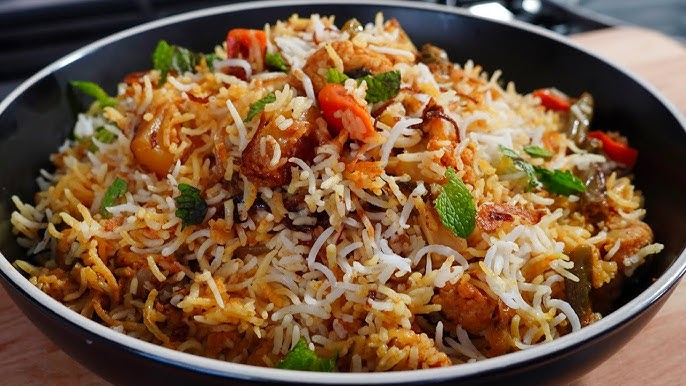
Once your Thanksgiving veg biryani is ready, gently fluff the rice with a fork to mix the layers without breaking the grains. Transfer it to a serving dish and garnish with fried onions, toasted nuts, and fresh herbs for added texture and flavor. Pair your veg biryani with raita, pickle, or a simple salad to create a complete festive meal. The vibrant colors, fragrant aroma, and rich flavors make this biryani a standout dish for any Thanksgiving table.
Tips for the Perfect Thanksgiving Veg Biryani
To make your biryani even more special, consider using seasonal vegetables that are fresh and locally available. You can also experiment with saffron-infused milk or rose water for a subtle, festive aroma. Avoid overcooking the rice to maintain its fluffy texture, and always taste and adjust seasoning as needed. With a little care and attention, your Thanksgiving veg biryani can become the highlight of your holiday feast.
Disclaimer
This article is for informational purposes only and does not constitute professional culinary advice. Cooking times, ingredients, and methods may vary based on personal preferences and regional availability. Readers are encouraged to adjust recipes according to taste and dietary requirements.