
Vegetable korma is a beloved dish in Indian cuisine, known for its creamy texture and rich blend of spices. Traditionally, onion plays a key role in the base of the curry, but many people prefer to skip it for dietary, religious, or taste reasons. Fortunately, you can still enjoy a flavorful and satisfying korma without using onion. This recipe offers a simple seven-step guide to making creamy vegetable korma that’s both delicious and easy to prepare.
Why Skip the Onion?
There are several reasons why someone might choose to cook without onion. Some religious practices avoid onion and garlic, especially during fasting periods. Others may have digestive sensitivities or simply prefer a milder flavor. Whatever the reason, skipping onion doesn’t mean compromising on taste. With the right ingredients and technique, you can create a korma that’s just as rich and aromatic.
Ingredients You’ll Need
To make this onion-free vegetable korma, gather the following ingredients:
Mixed vegetables such as carrots, beans, peas, and potatoes Cashew nuts soaked in warm water Fresh yogurt or curd Green chilies Ginger Garlic (optional) Coconut milk or fresh cream Whole spices like bay leaf, cinnamon, cloves, and cardamom Ground spices including turmeric, coriander powder, and garam masala Salt and oil or ghee Fresh coriander leaves for garnish

These ingredients form the base of a creamy, mildly spiced curry that pairs beautifully with rice, roti, or naan.
Step 1: Prepare the Vegetables
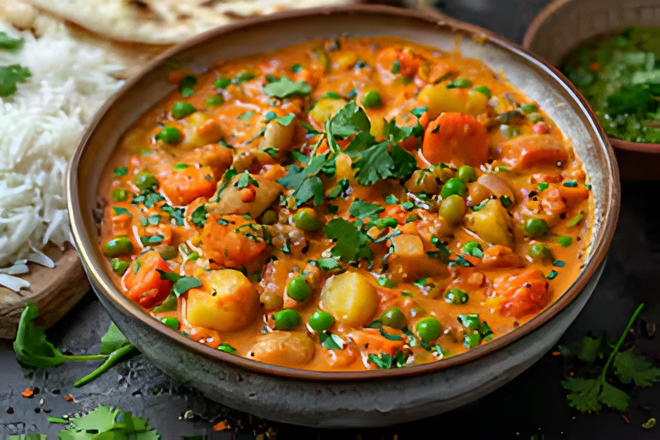
Start by washing and chopping your vegetables into bite-sized pieces. Steam or boil them until they are just tender but not mushy. You can use a pressure cooker or a steamer for this step. Set the cooked vegetables aside while you prepare the curry base.
Step 2: Make the Cashew Paste
Soak a handful of cashew nuts in warm water for about fifteen minutes. Then grind them into a smooth paste using a blender. This paste will add richness and creaminess to the korma, replacing the texture that onion usually provides.
Step 3: Create the Spice Base
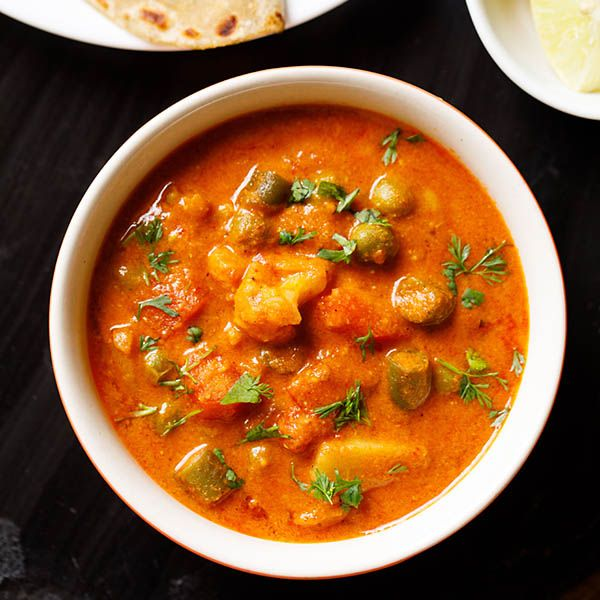
Heat oil or ghee in a pan and add whole spices like bay leaf, cinnamon, cloves, and cardamom. Let them sizzle for a few seconds to release their aroma. Add finely chopped ginger and green chilies. If you’re using garlic, add it now. Sauté until the raw smell disappears.

Step 4: Add Yogurt and Cashew Paste
Lower the flame and add fresh yogurt to the pan, stirring continuously to prevent curdling. Once the yogurt is well incorporated, add the cashew paste and mix thoroughly. Cook this mixture for a few minutes until the oil begins to separate slightly from the sides.
Step 5: Spice It Up
Add turmeric, coriander powder, and a pinch of garam masala to the pan. Stir well to combine the spices with the yogurt and cashew mixture. This step builds the flavor profile of the korma and gives it a warm, golden hue.
Step 6: Add Vegetables and Simmer
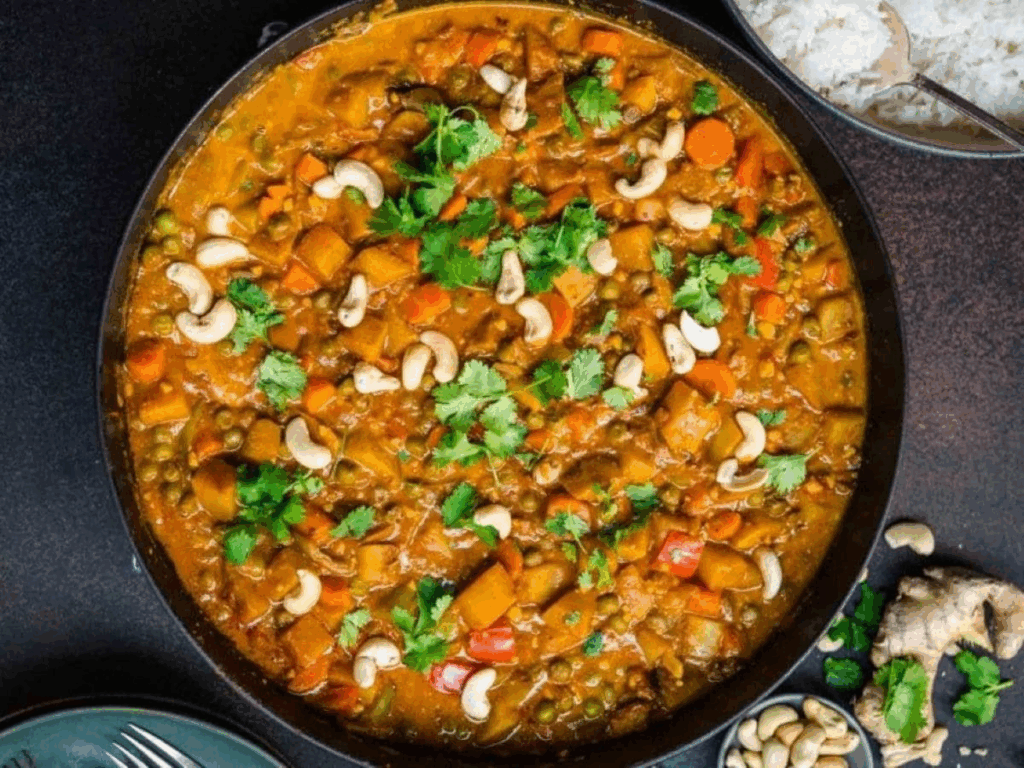
Now add the cooked vegetables to the pan and mix gently so they are coated with the creamy sauce. Pour in a little water or coconut milk to adjust the consistency. Cover and let the korma simmer for five to seven minutes so the flavors meld together.
Step 7: Finish and Serve
Once the korma reaches your desired consistency, turn off the heat and garnish with fresh coriander leaves. You can also add a splash of cream for extra richness. Serve hot with steamed rice, jeera rice, chapati, or naan.

Tips for a Perfect Korma
Use fresh and seasonal vegetables for the best taste Adjust the spice level according to your preference If you want a vegan version, replace yogurt with plant-based curd and skip the cream Roasted cashew nuts can be added on top for crunch Coconut milk adds a subtle sweetness that balances the spices
Conclusion
Making vegetable korma without onion is not only possible but also incredibly satisfying. This seven-step recipe ensures that you get a creamy, flavorful dish that’s perfect for everyday meals or special occasions. With simple ingredients and a little care, you can enjoy a wholesome curry that suits your dietary needs and delights your taste buds.
Disclaimer
This recipe is intended for general cooking purposes and may be adapted to suit individual dietary preferences. Ingredient quantities and spice levels can be adjusted based on taste and availability. Always check for allergies or sensitivities before preparing food for others.