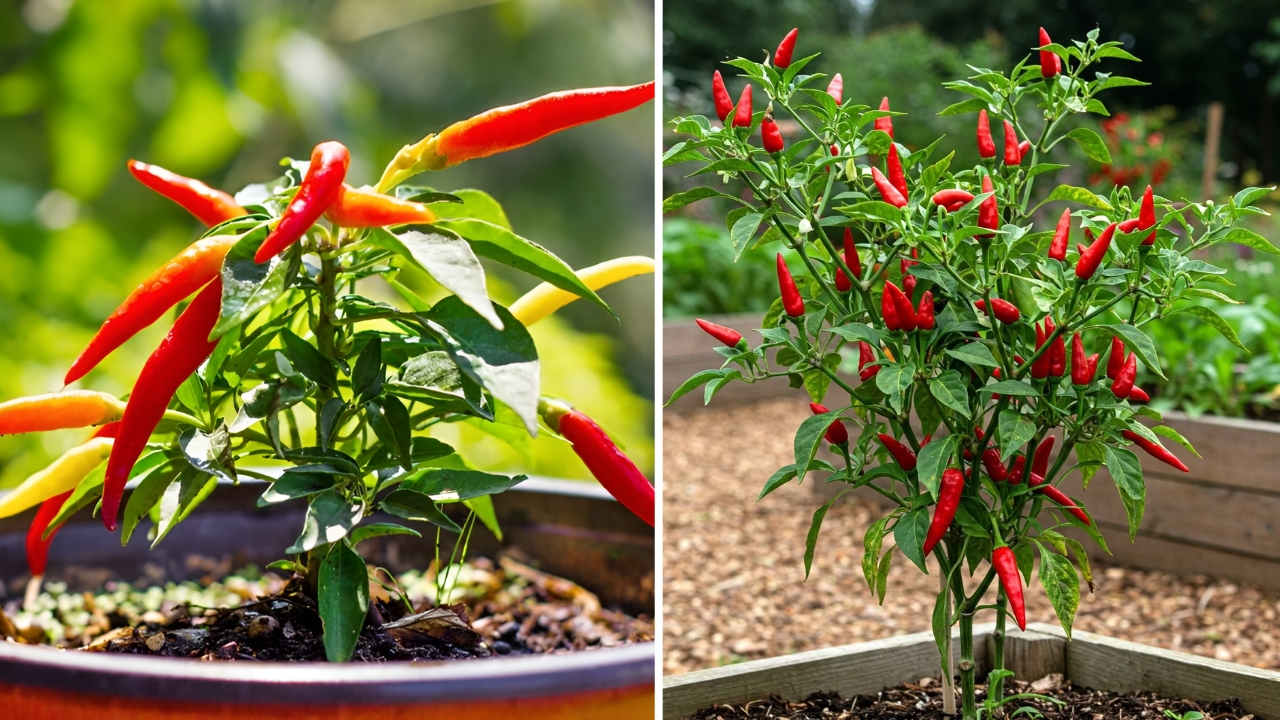
Chili peppers are more than just a burst of color or a fiery jolt to the tongue. They represent a fascinating blend of flavor, wellness, and cultivation. From ancient civilizations to modern kitchens, chili peppers have been celebrated for their ability to transform simple meals into bold culinary experiences.
The fiery compound called capsaicin gives peppers their signature heat. But beyond taste, it carries potential health advantages. Studies suggest that regular but moderate consumption of chili peppers may support heart health, metabolism, and even longevity. Whether sprinkled fresh into salads or cooked into spicy stews, these vibrant pods are nature’s way of adding both excitement and nourishment to your meals.
Nutritional and Health Benefits of Chili Peppers
Chili peppers are small but nutritionally mighty. Even in modest amounts, they supply an impressive range of vitamins, minerals, and antioxidants.
They are a strong source of vitamin C, which supports immunity and skin health, and vitamin A, which benefits vision and cell repair. Minerals like potassium and copper also contribute to the body’s overall balance. The capsaicin, carotenoids, and flavonoids inside peppers help combat inflammation and oxidative stress, promoting general wellness.
Regular chili pepper consumption may help increase metabolism and calorie burning, support digestion, and reduce appetite. Some research also connects chili consumption with reduced cardiovascular risk. However, it’s important to enjoy them in moderation too much spice can cause discomfort or digestive irritation in sensitive individuals.
Growing Your Own Heat: From Seed to Harvest
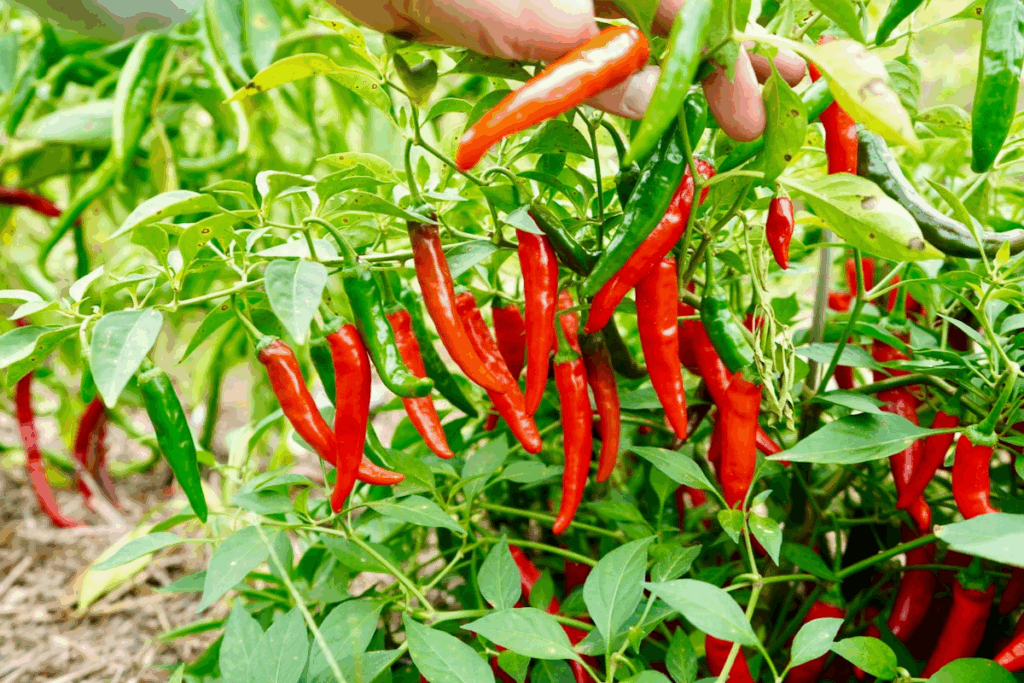
One of the most rewarding ways to connect with chili peppers is by growing your own. Whether you have a spacious garden or a sunny balcony, chili plants can thrive with the right care.

Choosing the right variety
Select according to your taste and heat tolerance. Mild options like jalapeños and Anaheim peppers are great for beginners, while habaneros or ghost peppers suit those craving serious spice.
Planting and care
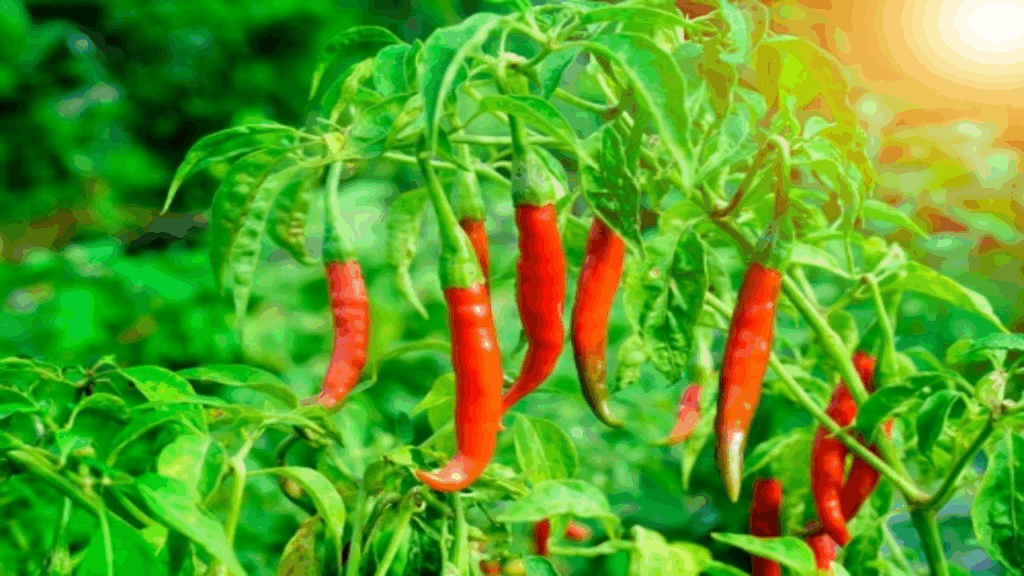
Start from seeds or young seedlings. Chili plants love warmth and sunlight, so choose a spot that gets six to eight hours of light each day. Use well-draining soil and water consistently, keeping it moist but never soggy. Overwatering can damage roots and attract pests.
Fertilize lightly every few weeks to encourage steady growth. As the plants mature, flowers appear, followed by small green fruits that gradually change color as they ripen.
Harvesting
Harvest once the peppers are firm and deeply colored. Red or orange peppers are usually riper and hotter than their green counterparts. Always handle with care especially very hot varieties to avoid skin irritation.
Preserving your harvest
Dry, freeze, or pickle your chili peppers to enjoy them year-round. Dried peppers can be ground into powder or used in sauces to add depth and smokiness to dishes.
Cooking with Confidence: The Art of Balancing Heat and Flavor
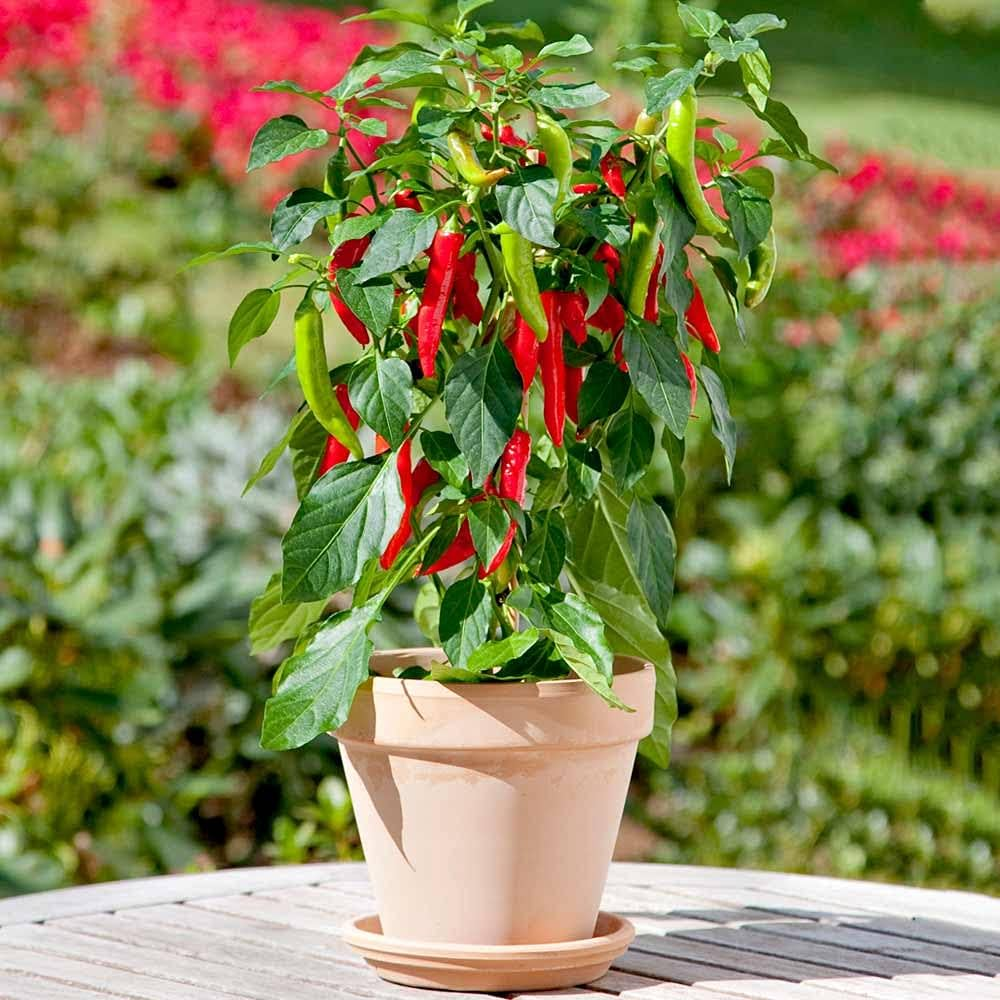
Cooking with chili peppers is about understanding balance. The goal is not to overwhelm the palate, but to create harmony between spice, flavor, and texture.
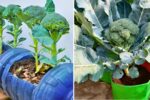
Fresh chilies bring brightness and punch to dishes, while dried varieties offer a deeper, more complex flavor. Removing the seeds and inner membranes helps control heat without sacrificing taste. When adding chili to food, start small heat can build gradually during cooking.
Pair chilies with cooling elements such as yogurt, coconut milk, or lime juice to balance spice. Sweet ingredients like honey or tomato can also mellow intensity. With time, you’ll learn how to match different types of peppers to specific cuisines jalapeños for Mexican dishes, cayenne for soups, or Thai bird’s eye chilies for stir-fries.
Experimenting with chili peppers can turn ordinary meals into extraordinary experiences. From salsas and curries to grilled vegetables and even chocolate desserts, the possibilities are endless.
Finding Your Comfort Zone: How Much Heat is Right for You
Everyone’s tolerance to spice is different. For some, even a mild chili can feel intense, while others enjoy fiery heat daily. The key is to find your personal comfort zone.
Start with mild varieties and gradually increase intensity. Over time, your tolerance may improve. If you ever experience discomfort, drink milk or eat a piece of bread to help neutralize the burn water won’t help much.
Remember, eating chili peppers should be enjoyable. Listen to your body and don’t push beyond what feels comfortable. Those with digestive issues should be cautious and consult a doctor before consuming high amounts of spicy foods.

The Cultural Journey of Chili Peppers
Chili peppers have traveled a long way from their origins in the Americas to kitchens across Asia, Africa, and Europe. They’ve become essential ingredients in countless cuisines, from Mexican salsas to Indian curries and Thai soups.
Beyond taste, chilies symbolize passion, energy, and community. They bring people together around shared meals and cultural traditions. Growing and cooking with chili peppers is a way of connecting not only to food, but also to the global story of flavor itself.
Conclusion
Chili peppers are a celebration of heat, health, and heritage. They brighten gardens, enrich recipes, and contribute to a healthier lifestyle when enjoyed in moderation. Growing them at home allows you to experience the full cycle from seed to plate and discover the joy of creating food that nourishes both body and spirit.
Whether you’re exploring new recipes, starting a home garden, or simply spicing up your diet, chili peppers offer endless opportunities to add warmth and vitality to your world.
Disclaimer
This article is for informational purposes only. It is not intended as medical or professional gardening advice. Always consult a healthcare or horticultural expert before making significant changes to your diet, health routine, or growing methods.