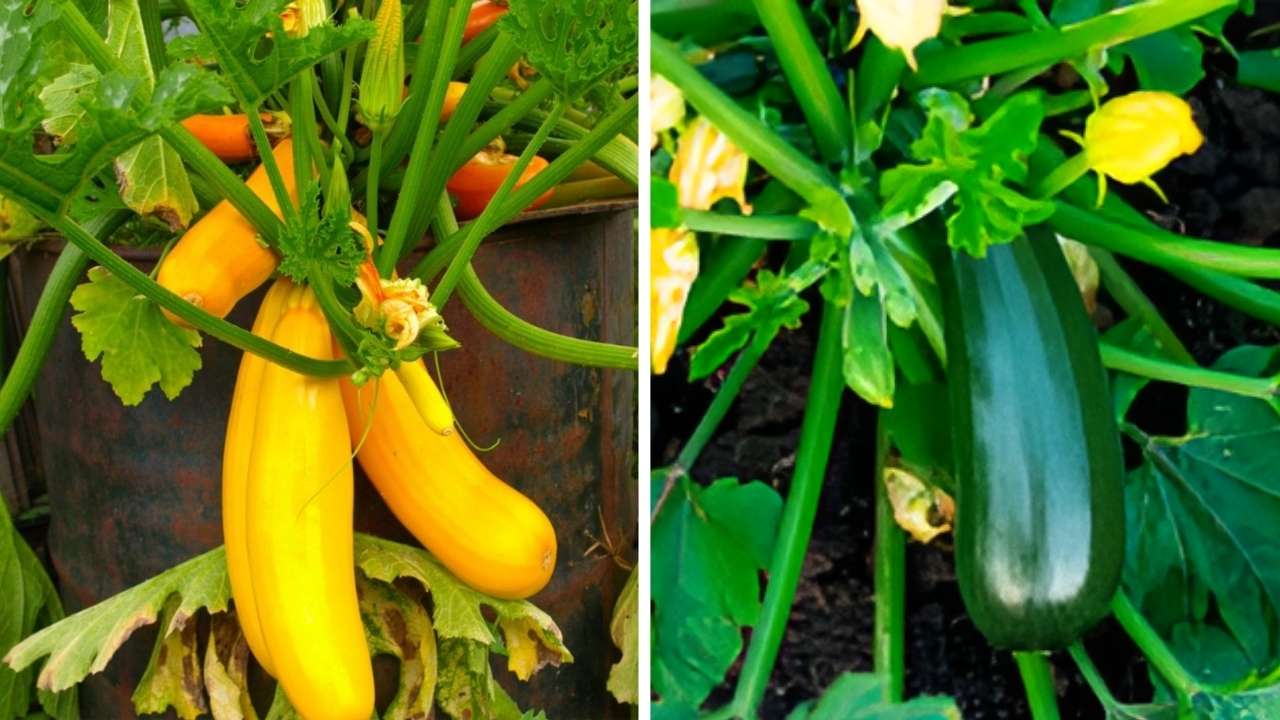
Squash is a versatile vegetable loved for its rich flavor and nutritional value. Traditionally, squash plants are grown in sprawling garden beds, but not everyone has the space for such large plants. Container gardening offers a practical solution, allowing you to grow squash even in small patios, balconies, or urban settings. With the right techniques, you can enjoy a generous harvest without needing a big backyard.
Why Choose Container Gardening for Squash
Container gardening is ideal for people with limited outdoor space or those who want more control over soil quality and growing conditions. Squash plants thrive in containers because they receive targeted care, better drainage, and protection from soil-borne pests. This method also makes it easier to move plants around to maximize sunlight exposure. For beginners, container gardening is a manageable way to start growing vegetables without the challenges of traditional gardening.
Selecting the Right Squash Varieties
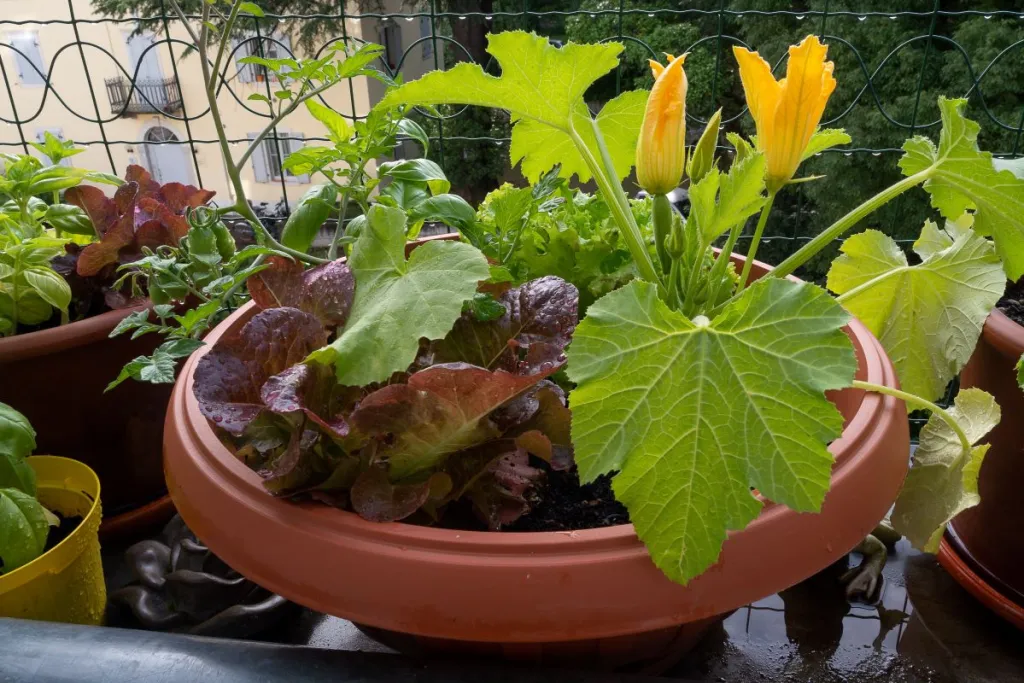
Not all squash varieties are equally suited for container gardening. Compact or bush-type varieties are the best choice because they require less space and produce abundant yields. Zucchini, yellow squash, and pattypan squash are popular options. Vining varieties like butternut or acorn squash can also be grown in containers, but they may need trellises or supports to manage their growth.

Choosing the Perfect Container
The success of your squash plants depends heavily on the container you select. Squash plants have deep root systems, so a container with a minimum depth of 18 to 24 inches is recommended. Large buckets, wooden planters, or fabric grow bags work well. Ensure the container has proper drainage holes to prevent waterlogging. A container that holds at least 5 gallons of soil will provide enough room for healthy root development.
Preparing the Soil Mix
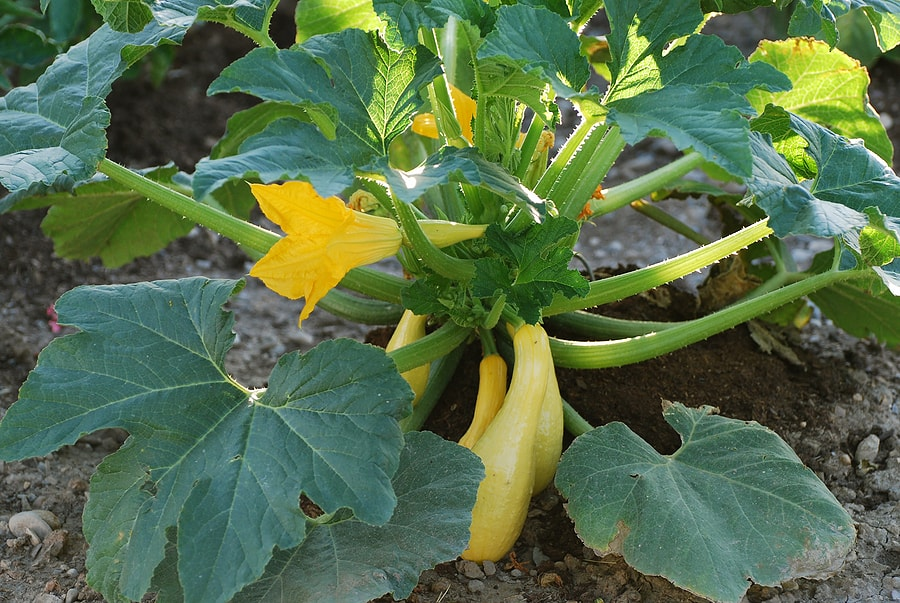
Squash plants thrive in nutrient-rich, well-draining soil. A mix of high-quality potting soil combined with compost or organic matter is ideal. Adding perlite or sand improves drainage, while compost enriches the soil with essential nutrients. Squash prefers slightly acidic to neutral soil with a pH between 6.0 and 7.0. Preparing the right soil mix ensures strong root growth and abundant fruiting.
Planting Squash in Containers
Start by sowing seeds directly into the container or transplanting seedlings. Plant two to three seeds per container, then thin them to one strong plant once they sprout. Position the container in a sunny spot where the plant can receive at least six to eight hours of direct sunlight daily. Water thoroughly after planting to help the seeds or seedlings settle into the soil.

Watering and Fertilizing
Consistent watering is crucial for container-grown squash because soil in pots dries out faster than in garden beds. Water deeply until moisture reaches the roots, but avoid overwatering to prevent root rot. Fertilize every two weeks with a balanced vegetable fertilizer or organic compost tea. Squash plants are heavy feeders, so regular fertilization ensures steady growth and high yields.
Supporting Squash Plants
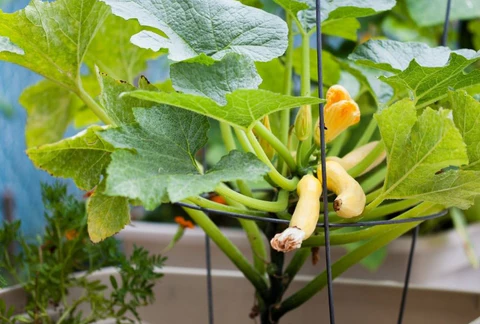
While bush varieties remain compact, vining squash may need support to grow properly in containers. Adding a trellis or stake helps guide the vines upward, saving space and improving air circulation. This also keeps fruits off the ground, reducing the risk of rot and pest damage. Supporting the plants makes harvesting easier and keeps your container garden neat and organized.
Managing Pests and Diseases
Container gardening reduces the risk of soil-borne diseases, but squash plants can still face challenges from pests like squash bugs, aphids, and vine borers. Regularly inspect leaves for signs of infestation and remove affected parts promptly. Neem oil or insecticidal soap can be used as natural remedies. Good air circulation and proper watering practices help prevent fungal diseases such as powdery mildew.

Harvesting Squash
Squash is best harvested when the fruits are tender and young. For zucchini and yellow squash, pick them when they are 6 to 8 inches long. Regular harvesting encourages the plant to produce more fruits throughout the season. Use a sharp knife or scissors to cut the squash from the vine, avoiding damage to the plant. With proper care, container-grown squash can yield a steady supply of fresh vegetables for weeks.
Key Highlights
- Container gardening allows squash to thrive in small spaces like patios and balconies
- Compact bush varieties such as zucchini and pattypan squash are ideal choices
- Large containers with proper drainage are essential for healthy root growth
- Consistent watering and fertilization ensure strong plants and abundant harvests
- Trellises or supports help manage vining varieties and improve air circulation
- Regular harvesting encourages continuous fruit production throughout the season
Final Words
Growing squash in containers is a rewarding experience that combines practicality with productivity. With the right container, soil mix, and care routine, you can enjoy fresh squash even in limited spaces. This method not only saves room but also gives you greater control over growing conditions, resulting in healthier plants and bigger harvests. Whether you are a beginner or an experienced gardener, container gardening offers a simple yet effective way to bring homegrown squash to your table.