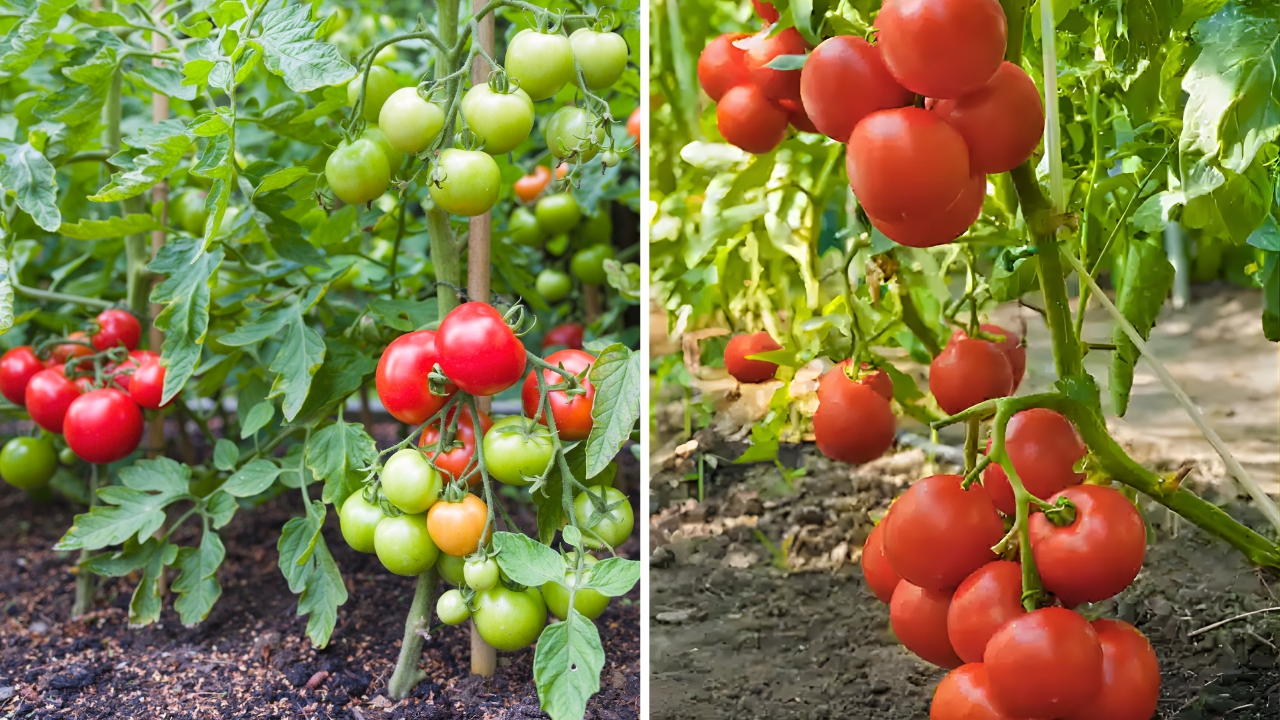
Gardening is often associated with large backyards and open spaces, but the reality is that many people live in apartments or homes with very limited outdoor areas. The good news is that growing your own fresh produce doesn’t require a big yard. With a little creativity, you can cultivate vegetables like lettuce and tomatoes using a 2-in-1 hanging garden. This setup is perfect for balconies, patios, or even indoors near a sunny window. Not only does it save space, but it also brings greenery into your living area and provides fresh, homegrown food.
Choosing the Right Location
The first step in creating a successful hanging garden is choosing the right location. Both lettuce and tomatoes need plenty of sunlight to thrive, ideally six to eight hours of direct sunlight per day. If you don’t have access to natural sunlight, consider using a full-spectrum grow light. Ensure the chosen spot can support the weight of your garden, as soil, water, and plants can be surprisingly heavy. Hanging your garden near a wall or balcony railing can provide additional stability.
Selecting Containers and Materials
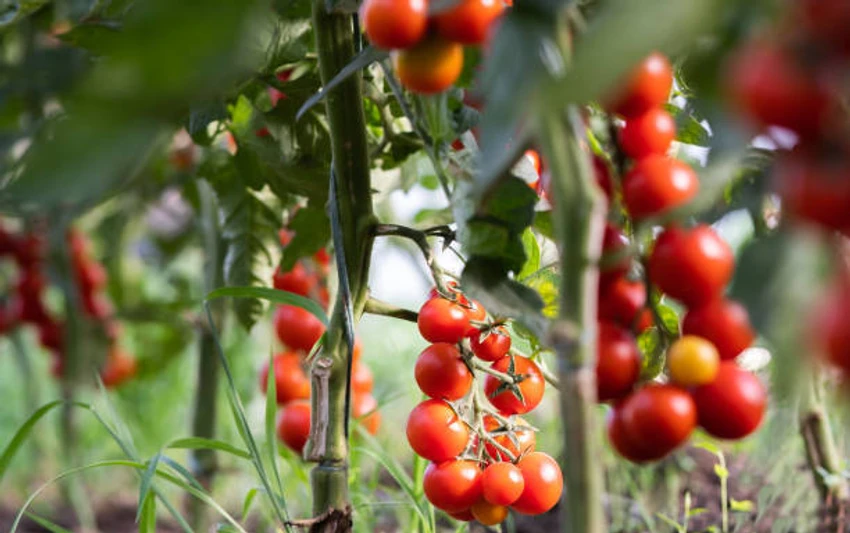
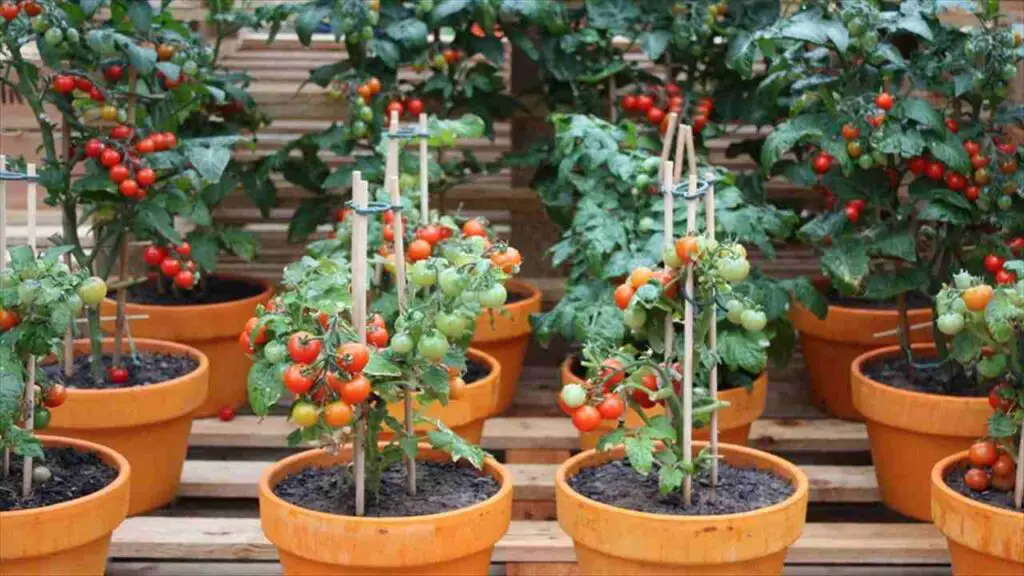
For a 2-in-1 hanging garden, you need containers that allow both lettuce and tomatoes to grow comfortably. You can use a variety of options such as hanging baskets, vertical planters, or tiered containers. Each plant type has different requirements: lettuce prefers shallow containers with well-draining soil, while tomatoes need deeper pots to accommodate their root systems.
Using sturdy materials is essential. You can choose plastic or fabric pots, recycled containers, or wooden planters treated for outdoor use. Make sure your hanging system ropes, chains, or wall brackets is strong and secure. A simple approach is to use a tiered hanging system, with tomatoes in the lower, deeper section and lettuce in the upper, shallow containers.
Preparing the Soil
The success of your 2-in-1 hanging garden largely depends on the soil. Use a high-quality potting mix enriched with compost or organic matter. This provides the necessary nutrients for both lettuce and tomatoes. For better drainage, add perlite or sand to the mix. Tomatoes benefit from slightly acidic soil with a pH around 6.0 to 6.8, while lettuce prefers a neutral to slightly acidic pH. Mixing a balanced potting mix works well for both, ensuring healthy growth and vibrant leaves.
Planting Lettuce and Tomatoes

When planting lettuce, start with seeds or small seedlings. Lettuce grows quickly and thrives in cooler temperatures, making it suitable for the upper part of your hanging garden. Space the plants about four to six inches apart to allow airflow and prevent overcrowding.
Tomatoes require a bit more attention. Choose a determinate or dwarf variety suitable for container gardening. Plant the seedlings in the lower section with enough room for roots to spread. Stake or cage the tomato plants to provide support as they grow and produce fruit. Proper spacing is crucial to prevent disease and allow sunlight to reach all parts of the plant.
Watering and Maintenance
A hanging garden needs consistent care to flourish. Lettuce and tomatoes both prefer evenly moist soil, but overwatering can lead to root rot. Water your garden regularly, checking the soil moisture before adding more water. Drip irrigation systems or self-watering containers can make this process easier, especially if your garden is hung in a hard-to-reach area.

Fertilizing is another key factor. Use a balanced liquid fertilizer every two to three weeks. Tomatoes, in particular, benefit from fertilizers high in potassium and phosphorus to promote flowering and fruiting. Regularly remove yellowing leaves and check for pests to maintain healthy plants.
Managing Pests and Diseases
Even in small spaces, pests can be an issue. Aphids, whiteflies, and spider mites are common offenders. A simple remedy is to use insecticidal soap or neem oil, which are safe for edible plants. Proper spacing, airflow, and regular pruning can also prevent fungal diseases and reduce the risk of infestations. Keeping an eye on your plants daily will help you catch problems early before they spread.
Harvesting Your Garden
One of the most rewarding parts of a hanging garden is harvesting your own fresh produce. Lettuce can be picked leaf by leaf or by cutting the entire head, depending on your preference. Regular harvesting encourages new growth and keeps the plants productive. Tomatoes should be harvested when they reach full color and feel slightly soft to the touch. Picking ripe tomatoes frequently promotes further fruiting.
Benefits of a 2-in-1 Hanging Garden

Creating a 2-in-1 hanging garden offers multiple benefits. It maximizes small spaces, allowing you to grow multiple crops in one structure. It brings fresh vegetables to your doorstep, reducing trips to the grocery store and promoting healthy eating. Additionally, having greenery around improves air quality and adds a calming, aesthetic element to your home. The project itself is rewarding, providing a sense of accomplishment as you watch your plants grow and thrive.
Conclusion
A 2-in-1 hanging garden is a practical and beautiful solution for growing lettuce and tomatoes without a yard. By selecting the right location, containers, soil, and plant varieties, you can cultivate a thriving mini-garden anywhere. Regular watering, fertilizing, and maintenance ensure your plants remain healthy and productive. Beyond the practical benefits, a hanging garden adds greenery and life to small spaces, making it an enjoyable and sustainable way to grow your own food. Whether you live in an apartment, condo, or house with limited outdoor space, this DIY project allows you to enjoy the pleasures of gardening without the need for a traditional yard.
Disclaimer
This article is intended for informational and educational purposes only. Gardening results may vary depending on climate, plant varieties, soil quality, and care practices. The author and publisher are not responsible for any damage or injury resulting from attempting the techniques described. Always follow safety guidelines when handling tools and materials.