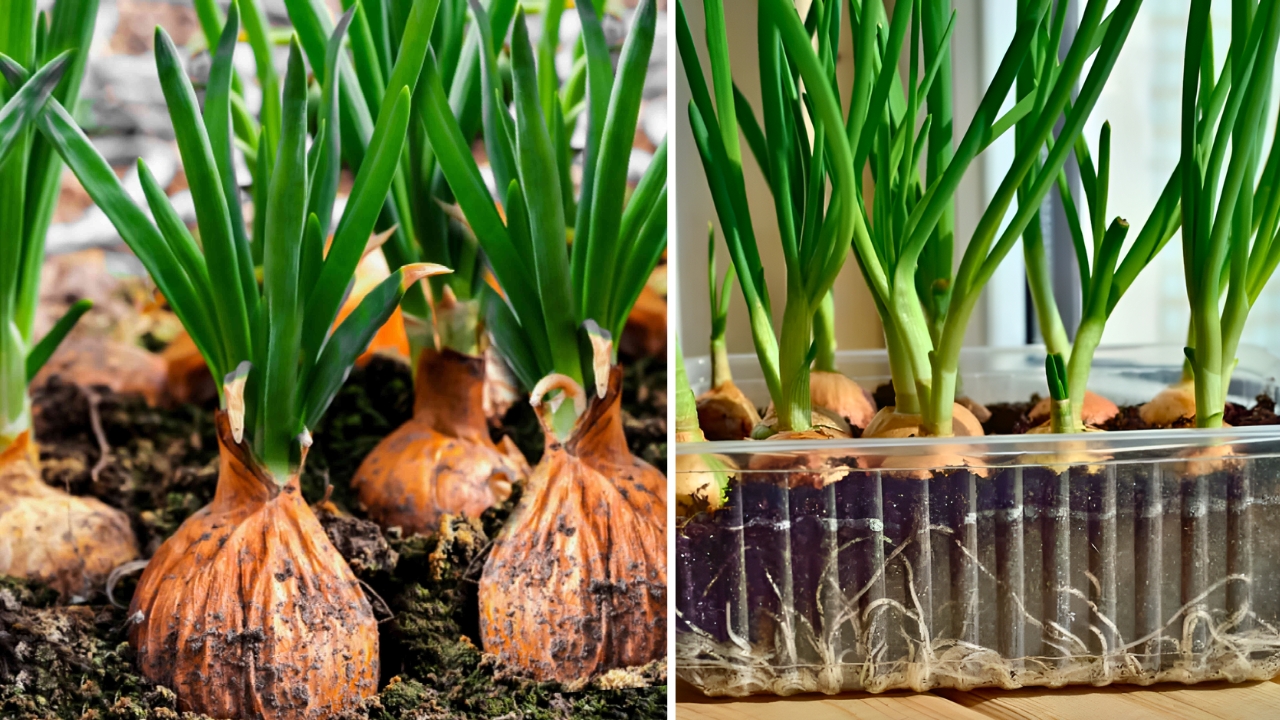
Growing onions is something most gardeners try at least once, but getting them to grow really big those impressive, softball-sized bulbs you see at fairs takes a little more knowledge and patience. Over the years, gardeners have shared many tricks for producing giant onions, and while not every method works for everyone, a few simple principles can make all the difference. If you’ve ever wondered how to grow onions that make your neighbors stop and stare, this guide will walk you through everything you need to know, from soil preparation to harvest time.
Understanding What Makes Onions Grow Big
Before you even plant a seed, it’s important to understand what drives onion growth. The size of your onions depends largely on three things: the variety, the growing season, and the conditions you provide. Long-day onion varieties, such as Ailsa Craig or Exhibition, tend to grow much larger than short-day types because they produce bigger bulbs when exposed to longer daylight hours. These are ideal for northern regions with long summer days.
Equally important is giving onions enough time to mature. Onions grow best in cool weather early on, then need warmth and sunlight as the bulbs develop. If you can start your seeds indoors early around late winter or very early spring you’ll give them the head start they need for maximum growth later in the season.
Starting with Quality Seeds or Sets
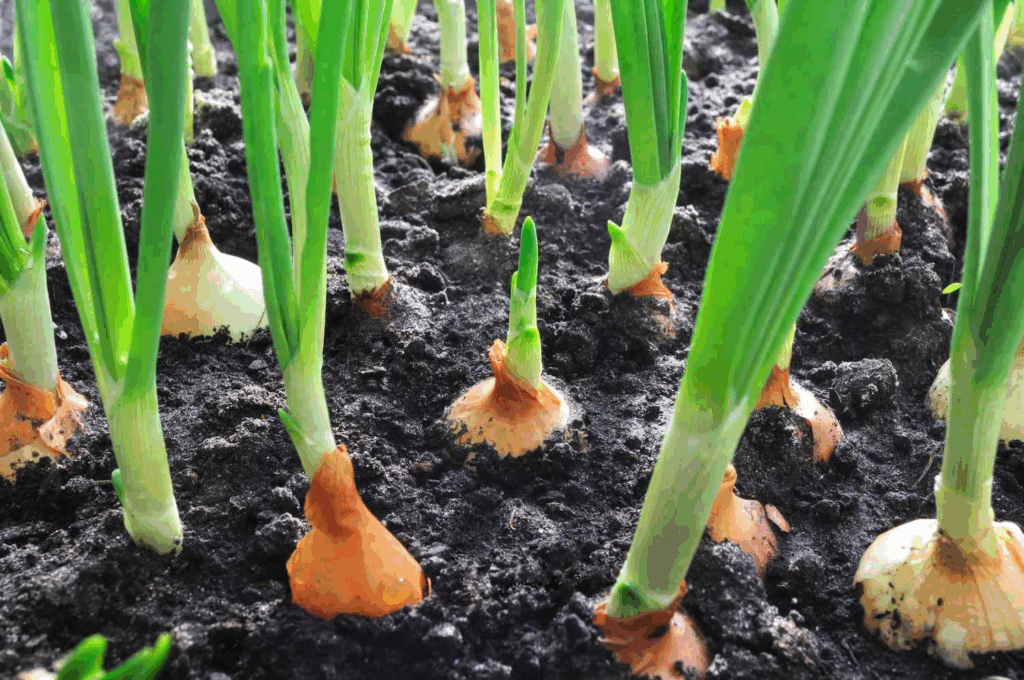
When it comes to growing giant onions, the seed you start with matters more than you might think. High-quality, fresh seed has stronger germination and produces more vigorous plants. Many experienced gardeners prefer growing from seed instead of sets because seeds give them greater control over the growing conditions and help prevent disease issues.
If you’re new to growing onions, you can still use sets, but look for those labeled for large bulbs or exhibition quality. Start your seeds indoors about 10 to 12 weeks before your last expected frost date. Keep them under grow lights for 12 to 14 hours a day, and keep the soil consistently moist but not soggy.
Preparing the Soil for Maximum Growth
Onions are heavy feeders, so they need nutrient-rich, well-drained soil to reach their full size. Start by loosening the soil to a depth of at least 10 inches and mix in plenty of compost or well-rotted manure. The soil should be crumbly and rich in organic matter. Avoid compacted or clay-heavy soil since onions dislike sitting in waterlogged ground.
Check your soil’s pH before planting onions prefer a slightly acidic to neutral range, around 6.0 to 7.0. You can also mix in a balanced fertilizer or one high in phosphorus and potassium to encourage strong root and bulb development.
Spacing and Planting Techniques
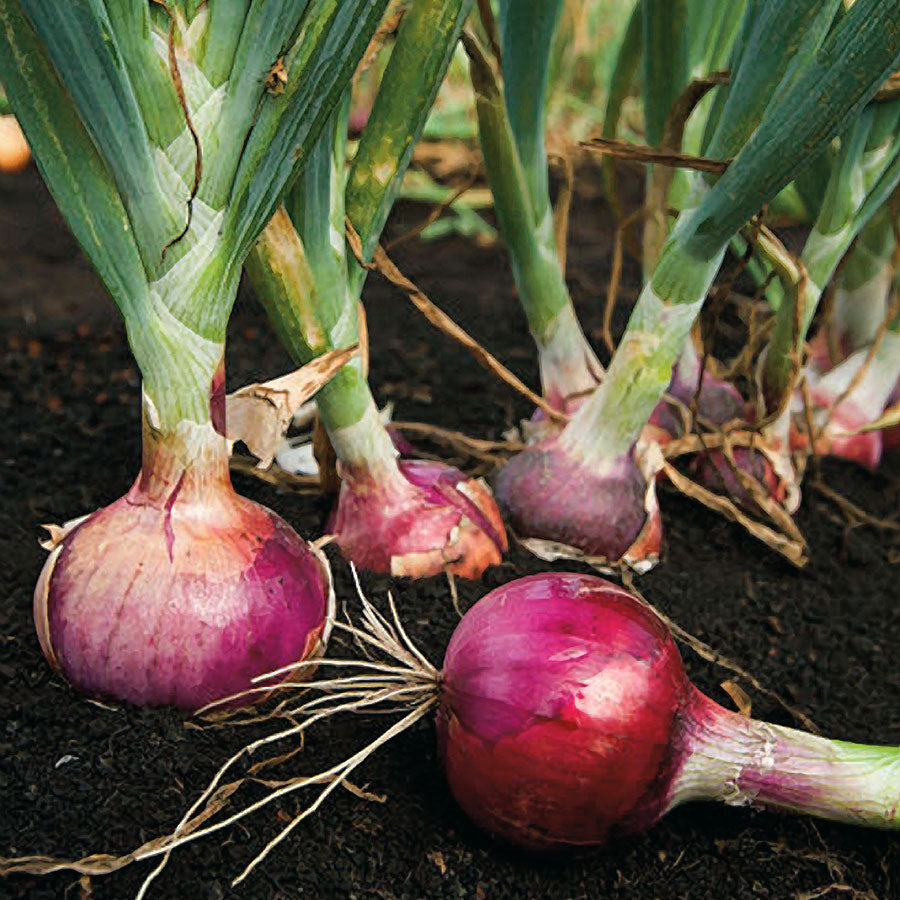
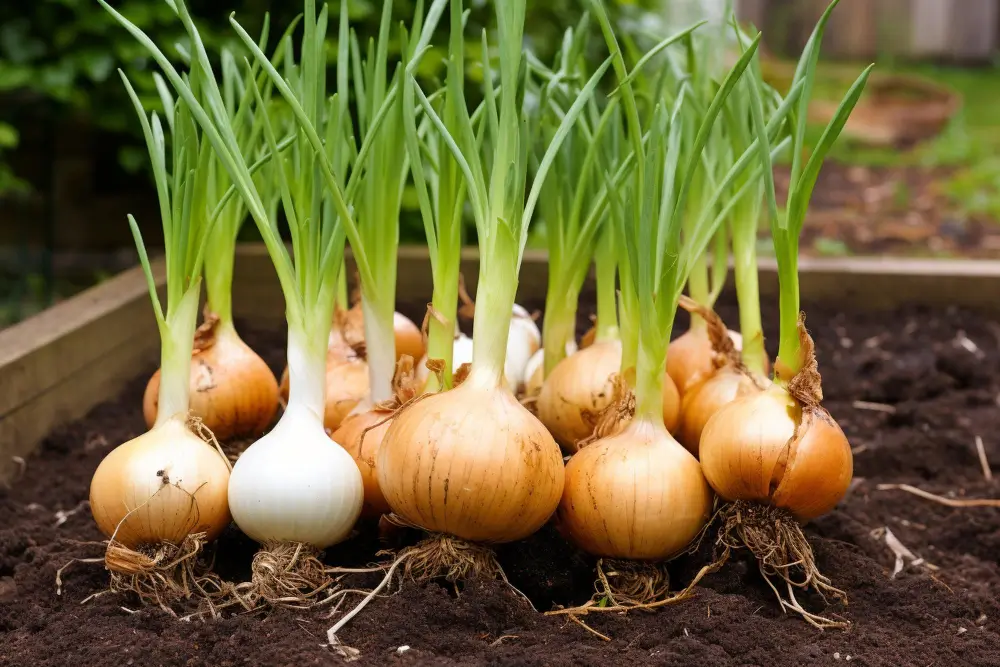
Give your onions room to grow. Crowded onions will always remain small because they compete for nutrients and space. Set transplants or sets about 6 inches apart in rows spaced 12 inches apart. When planting seeds directly in the ground, thin the seedlings early, leaving only the strongest plants with enough room to expand.
Plant the onions with just the top of the bulb showing above the soil surface. This helps the bulb swell properly as it grows. After planting, water thoroughly to settle the soil around the roots.
Feeding and Watering for Big Results
To grow large onions, you need to feed them regularly. Every few weeks, apply a nitrogen-rich fertilizer or compost tea to encourage leafy growth. Onions rely heavily on their green tops to produce energy for bulb formation, so the more leaves you can grow early on, the larger your bulbs will become later.

Consistent watering is also essential. Onions prefer moist, not wet, soil. Aim for about one inch of water per week, either from rain or irrigation. If the weather turns dry, water deeply rather than frequently, as shallow watering encourages weak roots. Stop heavy watering once the bulbs start to mature to prevent rot.
Keeping Weeds and Pests Under Control
Weeds are one of the biggest enemies of giant onions. They steal nutrients and shade the bulbs, reducing their size. Keep your onion bed weed-free by gently hoeing or pulling weeds by hand. A light layer of mulch, such as straw or shredded leaves, can help suppress weeds while maintaining soil moisture.
Watch out for onion maggots and thrips common pests that can damage bulbs and foliage. Crop rotation and the use of floating row covers early in the season can help reduce pest problems naturally.
When and How to Harvest Giant Onions
As summer progresses, you’ll notice the green tops of your onions starting to fall over. This is a natural sign that the bulbs are reaching maturity. Wait until most of the tops have fallen and turned yellow before harvesting. Gently lift the onions from the soil and lay them out in a warm, dry spot for several days to cure.
Proper curing is essential for storage. Once the outer skins are dry and papery, cut off the tops and store the onions in a cool, well-ventilated place. Handle them carefully to avoid bruising, as even small damage can cause rot later.
Common Mistakes to Avoid
One of the most common mistakes gardeners make is planting onions too late or too close together. Timing and spacing are everything. Another frequent error is overwatering once the bulbs begin to form. While onions love moisture early on, too much water later can split the bulbs or make them soft.
Avoid using too much nitrogen late in the season, as it encourages green growth at the expense of bulb size. Finally, always rotate your onion crops to prevent disease buildup in the soil.
Final Thoughts
Growing giant onions isn’t just about luck it’s about giving your plants exactly what they need at the right time. With rich soil, consistent care, and the right variety, you can easily grow onions that are as impressive in size as they are in flavor. Whether you’re aiming to win a county fair ribbon or simply want to fill your kitchen with homegrown produce, these tips will help you enjoy a truly bountiful harvest.
Disclaimer
This article is for informational and educational purposes only. Results may vary depending on climate, soil conditions, and gardening practices. Always follow local guidelines for fertilizer use and pest management.