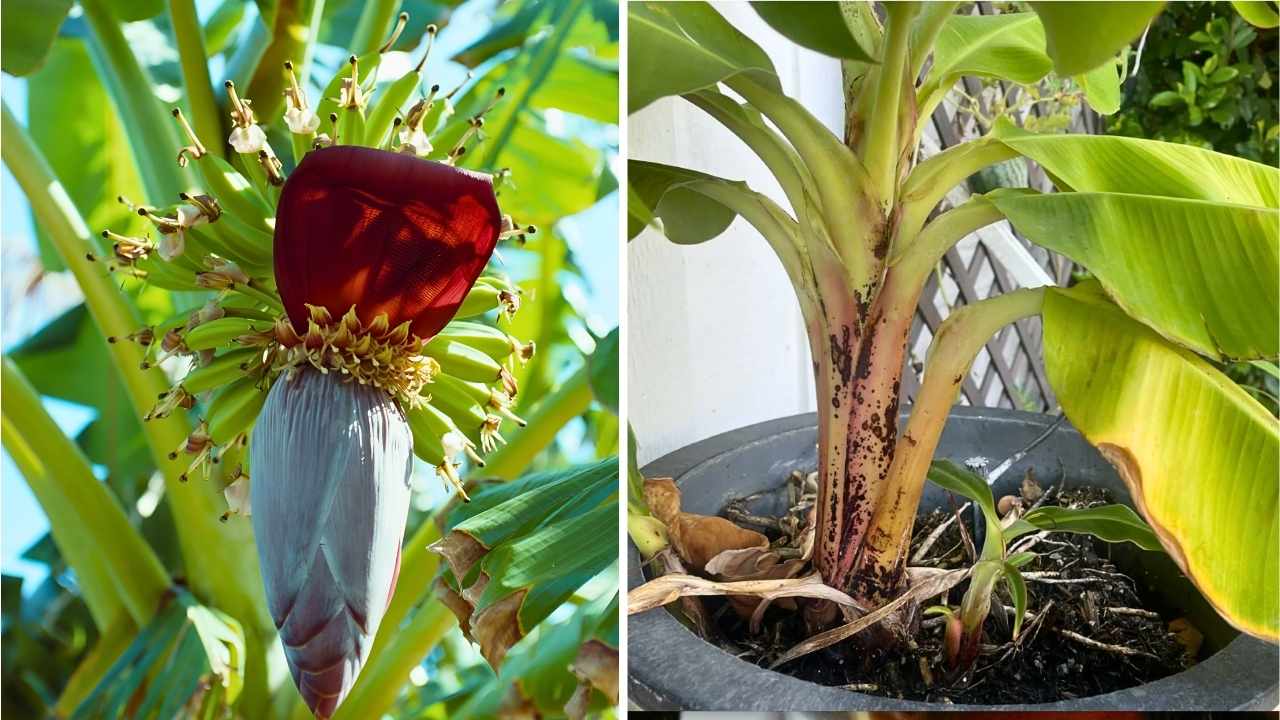
Banana Trees are a tropical delight, valued for their sweet fruit and lush foliage. While they are commonly grown in warm climates, many gardeners are discovering that bananas can be propagated easily at home. One of the most effective ways to grow new banana plants is through suckers, also known as pups. These offshoots grow from the base of a mature plant and can be separated to create new plants. This guide explains the simple steps to propagate bananas from suckers and ensure healthy growth.
Understanding Banana Suckers
Banana plants reproduce vegetatively through suckers. These are shoots that emerge from the underground rhizome of the parent plant. Suckers develop their own roots and can be separated to grow independently. There are two main types of suckers: water suckers and sword suckers. Water suckers have broad leaves and weak roots, while sword suckers have narrow leaves and strong roots. Sword suckers are the best choice for propagation because they grow into vigorous plants that produce fruit.
Step 1: Choose the Right Sucker
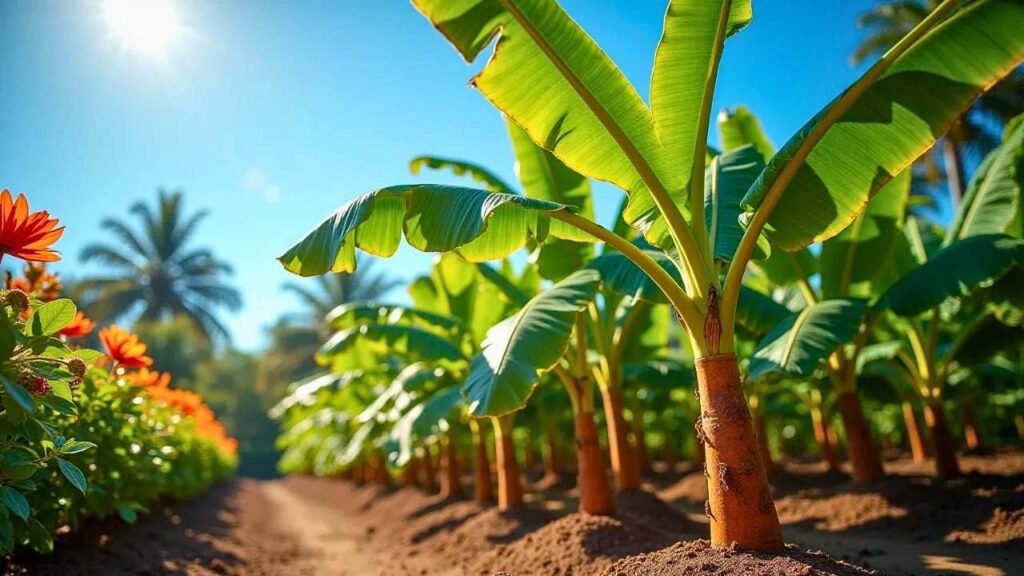
The success of propagation depends on selecting a healthy sucker. Look for sword suckers that are about 3 to 4 feet tall with strong roots. Avoid water suckers, as they are less likely to produce fruit. A healthy sucker should be free from pests and diseases, with firm leaves and a sturdy stem.
Step 2: Prepare the Parent Plant
Before removing the sucker, water the parent plant thoroughly. Moist soil makes it easier to separate the sucker without damaging the roots. Use a sharp spade or knife to cut the sucker away from the parent plant. Be careful to include as much of the root system as possible, as this will help the new plant establish quickly.

Step 3: Prepare the Planting Site
Banana plants thrive in well-draining, fertile soil. Choose a sunny location with protection from strong winds. Dig a hole that is wide and deep enough to accommodate the sucker’s roots. Mix compost or organic matter into the soil to improve fertility and drainage. Bananas prefer slightly acidic to neutral soil, so adjust the pH if necessary.
Step 4: Plant the Sucker
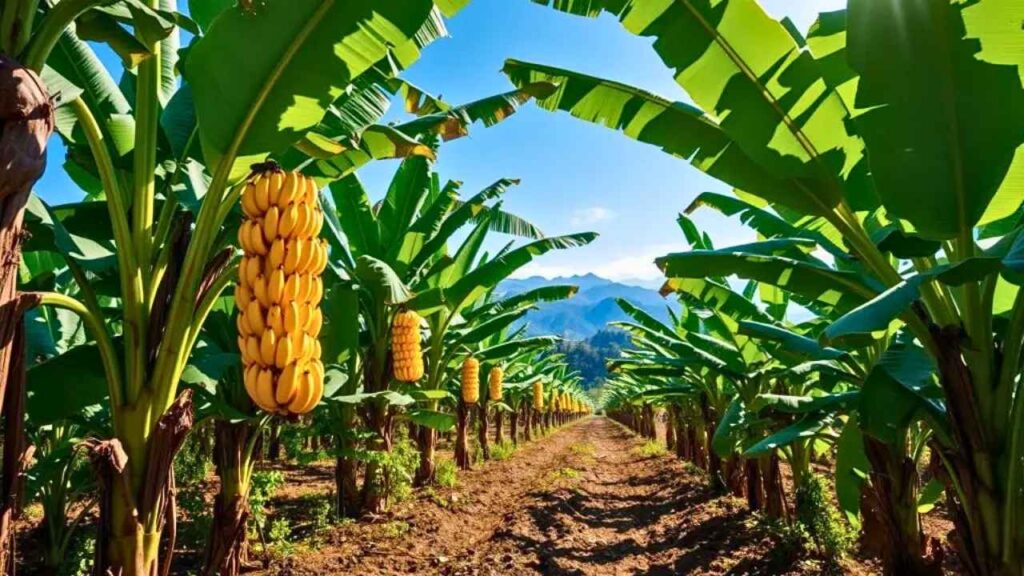
Place the sucker into the prepared hole, ensuring that the roots are spread out evenly. Cover with soil and press gently to secure the plant. Water thoroughly to help the soil settle around the roots. The sucker should be planted upright, with the base level to the ground surface.
Step 5: Watering and Mulching
Banana plants require consistent moisture, especially during the early stages of growth. Water regularly to keep the soil damp but not waterlogged. Mulching around the base of the plant helps retain moisture, suppress weeds, and regulate soil temperature. Organic mulch such as straw, leaves, or compost works best.
Step 6: Fertilization and Care
Bananas are heavy feeders and benefit from regular fertilization. Apply a balanced fertilizer rich in nitrogen, potassium, and phosphorus every month. Organic options such as compost, manure, or banana peels can also be used. Remove any weeds around the plant to reduce competition for nutrients. As the plant grows, trim damaged leaves to encourage healthy development.

Step 7: Monitoring Growth and Maintenance
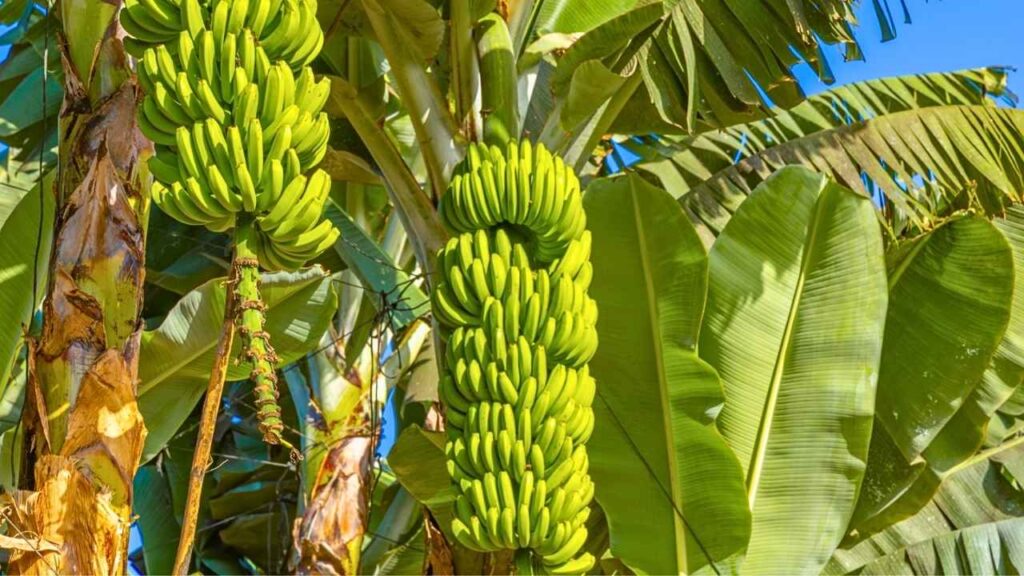
Keep an eye on the plant’s progress. Healthy banana plants grow quickly, producing large leaves and eventually forming a flower stalk. Protect the plant from pests such as aphids and nematodes by using natural remedies or organic pesticides. Ensure the plant receives plenty of sunlight and water throughout its growth cycle. With proper care, the plant will produce fruit within 12 to 18 months.
Common Challenges and Solutions
Propagation is generally straightforward, but challenges can arise. If the sucker fails to establish, it may have had weak roots or been a water sucker. To avoid this, always select sword suckers. Overwatering can lead to root rot, so ensure proper drainage. In colder climates, banana plants may struggle, so consider growing them in containers that can be moved indoors during winter.
Benefits of Growing Bananas from Suckers
Growing bananas from suckers is cost-effective and sustainable. It allows gardeners to expand their banana patch without purchasing new plants. Propagation ensures that the new plants inherit the qualities of the parent plant, including fruit quality and resilience. Bananas also add tropical beauty to gardens, providing shade and ornamental value alongside their delicious fruit.
Key Highlights
- Banana plants can be propagated easily using sword suckers
- Healthy suckers with strong roots are essential for success
- Well-draining, fertile soil and consistent moisture support growth
- Regular fertilization ensures vigorous plants and abundant fruit
- Mulching helps retain moisture and suppress weeds
- Proper care leads to fruit production within 12 to 18 months
Final Words
Propagating banana plants from suckers is a simple and rewarding method that brings tropical flavor to your garden. By following easy steps—selecting healthy suckers, preparing the soil, and providing consistent care—you can grow thriving banana plants that produce sweet fruit. Whether you are an experienced gardener or a beginner, this method offers a reliable way to enjoy the beauty and bounty of bananas at home. With patience and attention, your banana plants will flourish and provide harvests for years to come.