Thanksgiving is synonymous with warmth, comfort, and rich flavors that bring family and friends together. Among the many festive dishes, creamy pumpkin soup stands out as a smooth, flavorful starter that perfectly complements the holiday feast. Its rich texture, natural sweetness, and aromatic spices make it an instant favorite. With this easy guide, you can prepare a delicious pumpkin soup in just five simple steps, ensuring a perfect start to your Thanksgiving meal.

Step 1: Select Fresh Ingredients
The foundation of any great pumpkin soup begins with fresh, high-quality ingredients. Choose a medium-sized pumpkin that is firm, bright in color, and free from soft spots. Along with pumpkin, gather onions, garlic, carrots, celery, and vegetable or chicken broth for a balanced base. Cream or coconut milk adds the signature creamy texture, while spices such as nutmeg, cinnamon, and black pepper enhance the seasonal flavor. Fresh herbs like thyme or parsley can be added for garnish. Using fresh ingredients ensures your soup will have depth, richness, and a natural sweetness that pre-packaged alternatives cannot match.
Step 2: Prepare the Pumpkin and Vegetables
Begin by washing the pumpkin thoroughly, cutting it into halves, and removing seeds and fibrous strands. Peel the pumpkin and cut it into evenly sized cubes for consistent cooking. Chop onions, carrots, and celery into small pieces to create a flavorful base for the soup. The preparation stage is crucial because uniform cutting ensures that the pumpkin and vegetables cook evenly, producing a smooth texture when blended later.

Step 3: Cook the Vegetables
In a large pot, heat some olive oil or butter over medium heat. Add chopped onions, carrots, and celery, sautéing them until they are soft and fragrant. This step builds the foundation of your soup, allowing the vegetables to release their natural flavors. Add garlic and cook for an additional minute before incorporating the pumpkin cubes. Pour in the broth, enough to cover the vegetables, and bring the mixture to a gentle boil. Reduce the heat and let it simmer until the pumpkin is tender, which usually takes about 20 minutes. This slow cooking process allows the flavors to meld beautifully.
Step 4: Blend and Add Cream
Once the pumpkin and vegetables are tender, remove the pot from heat and allow it to cool slightly. Using an immersion blender, blend the mixture until smooth and creamy. If you don’t have an immersion blender, you can use a regular blender in batches. Return the smooth puree to the pot and stir in cream or coconut milk for added richness. Adjust the consistency by adding more broth if needed. Season with salt, pepper, and a pinch of nutmeg or cinnamon to taste. This step is where your soup transforms into a velvety, luxurious dish ready to impress your guests.

Step 5: Serve and Garnish
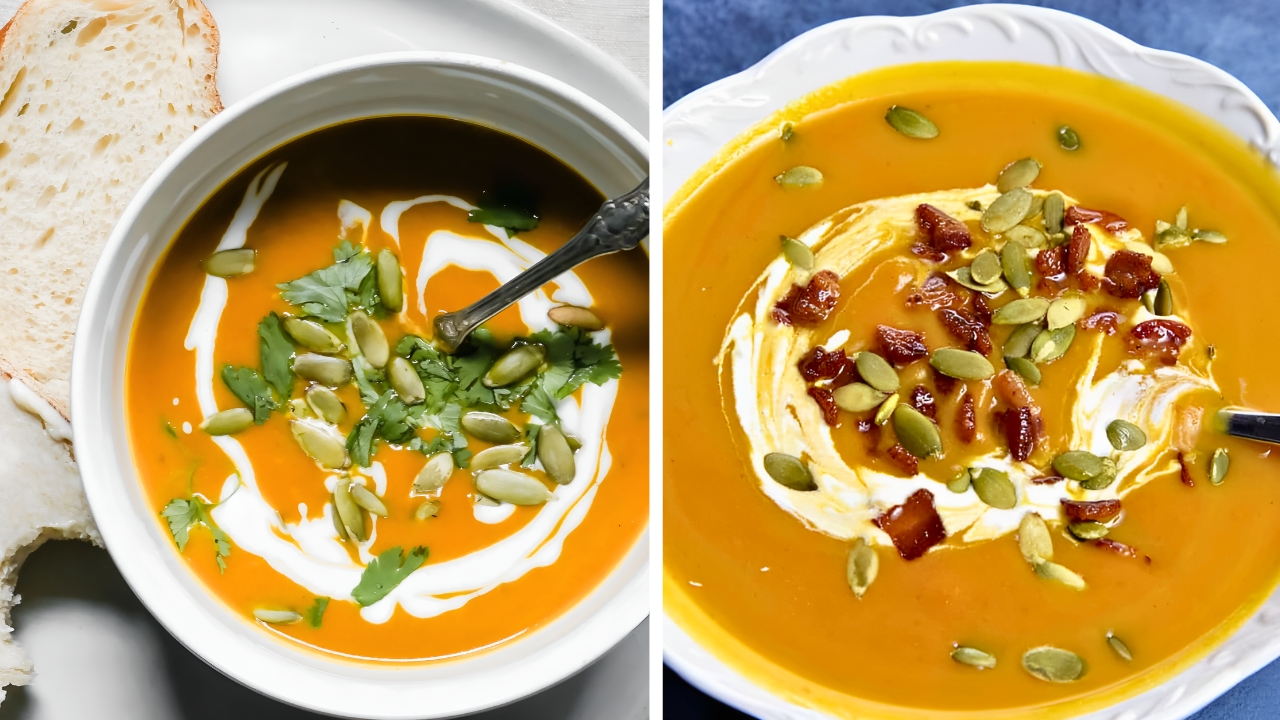
To make your pumpkin soup visually appealing and extra flavorful, serve it hot in bowls garnished with fresh herbs, a drizzle of cream, or toasted pumpkin seeds. Pair it with warm bread or croutons to complete the starter experience. The soup’s creamy texture, vibrant orange color, and aromatic spices will make it a standout dish at your Thanksgiving table. Serving it immediately ensures that your guests enjoy the full depth of its flavors and warmth.

Tips for a Perfect Thanksgiving Pumpkin Soup
For the best results, choose sugar pumpkins over large carving pumpkins, as they are sweeter and have a denser texture. Roasting the pumpkin before cooking can enhance its natural flavor, adding a subtle caramelized taste. Be careful not to overcook the soup, as this can cause the cream to separate. Adjust spices gradually and taste frequently to balance sweetness and warmth, creating a soup that is both comforting and flavorful.
Disclaimer
This article is for informational purposes only and does not constitute professional culinary advice. Cooking times, ingredients, and methods may vary based on personal preferences and regional availability. Readers are encouraged to adjust recipes according to taste, dietary requirements, and ingredient availability.