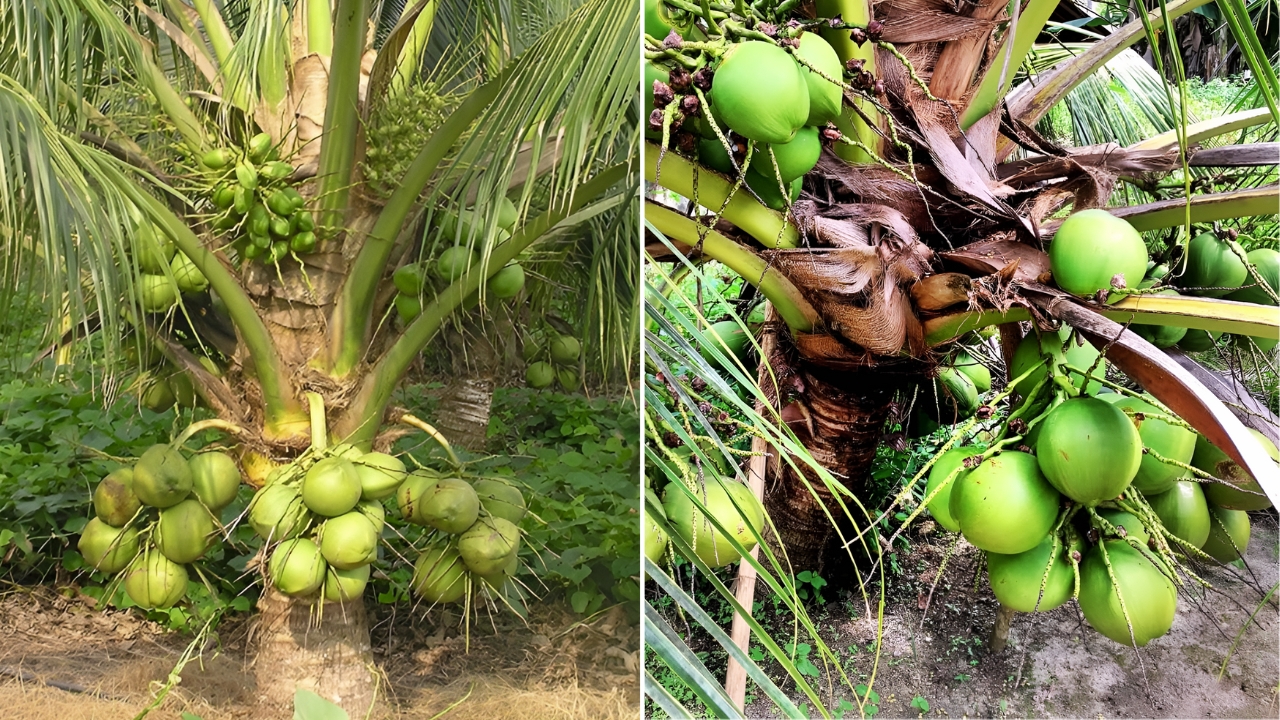
Growing a coconut from a store-bought fruit may sound impossible, but with patience, the right technique, and a bit of love, it can be done. I decided to take on the challenge after noticing how fresh coconuts in the grocery store can sometimes sprout if kept in the right conditions. What started as an experiment turned into an exciting journey that brought a tropical vibe right to my home.
What Exactly Is a Coconut and Why It Can Grow at Home
A coconut is the fruit of the coconut palm, known scientifically as Cocos nucifera. It is versatile, providing water, milk, and fiber, and it can also grow into a full palm tree under the right conditions.
Many people do not realize that even grocery store coconuts can sprout. As long as the coconut is mature, contains water, and hasn’t been treated to prevent germination, it has the potential to become a thriving tree. Understanding this is the first step in turning a simple grocery purchase into a personal tropical garden.
When to Choose the Right Coconut for Planting
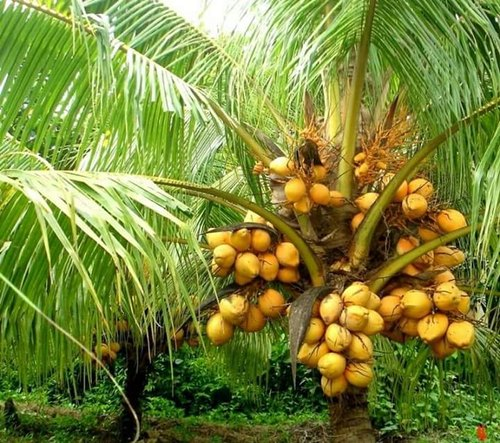
Selecting the right coconut is crucial for successful growth. Look for one that is heavy for its size and has visible water sloshing inside when shaken. Avoid coconuts that are dried out, cracked, or have mold spots.
The ideal coconut is mature enough to have a hard shell but still retains moisture inside. Typically, coconuts purchased fresh from the grocery store within a week of harvest have the best chance of sprouting.
How I Prepared My Grocery Coconut for Planting
Once I brought my coconut home, I soaked it in water for 2–3 days to kickstart the germination process. After soaking, I chose a wide pot with well-draining soil and planted the coconut with the pointed end slightly up and the husk partially exposed.

Keeping the soil consistently moist was key. I also placed the pot in a warm, sunny spot to mimic tropical conditions. Within a few weeks, a small sprout began to emerge, which was both exciting and encouraging.
Step-by-Step Guide to Growing a Coconut from the Grocery Store
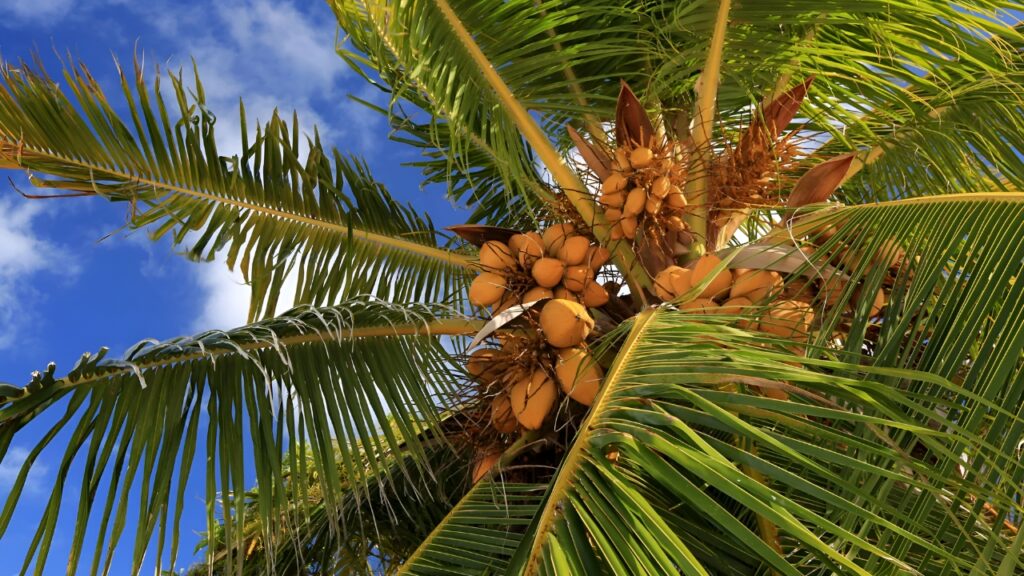
Here’s a simplified step-by-step guide based on my experience:
| Step | Action | Tip for Best Results |
|---|---|---|
| 1 | Select Coconut | Choose a mature, water-filled coconut without cracks or mold |
| 2 | Soak Coconut | Soak in water for 2–3 days to jumpstart germination |
| 3 | Prepare Pot | Use a large pot with well-draining soil |
| 4 | Plant Coconut | Place with the pointed end up, husk partially exposed |
| 5 | Water Regularly | Keep soil moist but not waterlogged |
| 6 | Provide Sunlight | Place in a sunny spot to mimic tropical conditions |
| 7 | Wait Patiently | Sprouting can take several weeks to a few months |
| 8 | Transplant | Once roots and shoots are established, move to a larger pot or outdoor area if climate allows |
Following these steps carefully ensures your coconut has the best chance to grow into a healthy palm.
Common Mistakes and How to Avoid Them
Many people give up too soon. Coconut sprouting can take weeks, and impatience often leads to overwatering or neglect. Overwatering can rot the coconut, while letting it dry out can prevent germination.
Another common mistake is planting the coconut completely underground. The husk should remain partially exposed to allow the sprout to emerge naturally. Choosing coconuts that are too old or dried out also reduces success rates.
Tips for Thriving Coconut Growth
To ensure your coconut grows strong:

- Use nutrient-rich, sandy soil for proper drainage
- Rotate the pot occasionally to ensure even sunlight exposure
- Maintain temperatures between 75–95°F for optimal growth
- Protect young sprouts from strong winds or frost
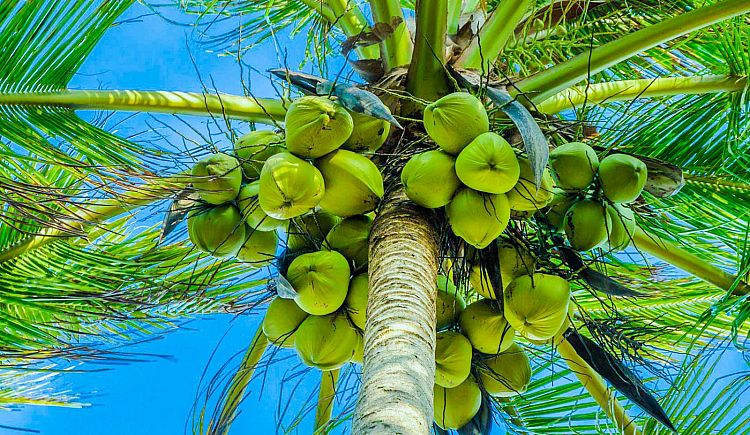
These small adjustments make a big difference in turning a grocery coconut into a thriving tropical tree.
Air Disclaimer
Growing coconuts from grocery store fruits may not always succeed due to factors like age, storage conditions, or climate. This article shares personal experience and guidance, but results may vary. Ensure proper care and avoid planting coconuts outdoors in non-tropical climates without precautions.
Conclusion
Growing a coconut from a grocery store fruit is a rewarding experiment that requires patience, attention, and care. Selecting the right coconut, providing proper soil, sunlight, and water, and waiting patiently for the sprout to emerge are all key steps. This process transforms a simple store-bought coconut into a small tropical paradise in your home, offering both satisfaction and a fun conversation piece.
FAQ
When is the best time to plant a coconut?
Any time of the year works if you can provide consistent warmth and sunlight, though spring and summer are ideal for faster growth.
How long does it take for a coconut to sprout?
Germination can take several weeks to a few months depending on the coconut’s freshness and conditions.
Can I plant a grocery coconut outdoors?
Only in tropical or subtropical climates. In cooler climates, it’s best to grow in a pot indoors.
Why isn’t my coconut sprouting?
It may be too old, dried out, or improperly cared for. Ensure it has water, warmth, and partial sunlight.
How big does a coconut tree get from a grocery coconut?
In ideal conditions, it can grow into a full palm tree reaching 50–80 feet outdoors, though potted trees will remain smaller.