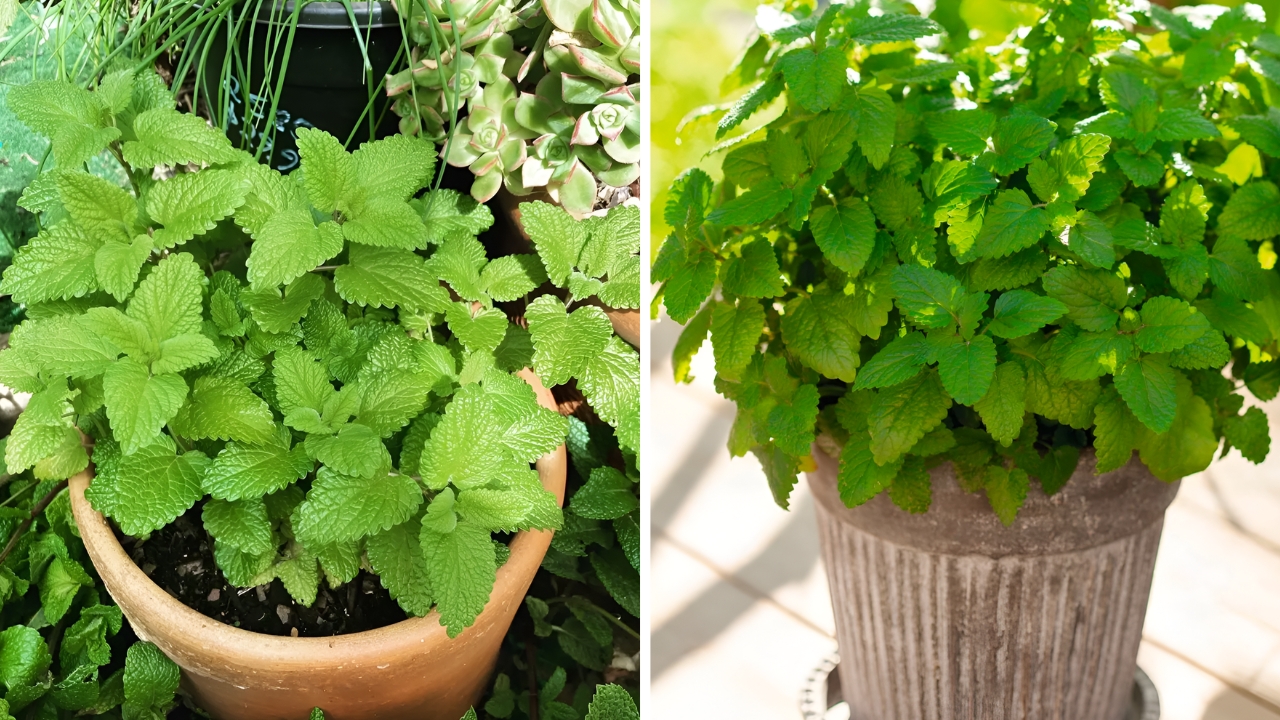
Lemon balm, scientifically known as Melissa officinalis, is a fragrant herb with a long history of use for calming and healing purposes. Its fresh, lemony aroma and gentle flavor make it a favorite in both gardens and kitchens across the United States. While it has been used for centuries in traditional medicine for relaxation and digestive support, modern research also highlights its potential to reduce stress, enhance sleep, and contribute to overall wellness. This herb has become a staple for anyone seeking natural ways to incorporate calmness and flavor into daily life. In this article, we explore the many benefits of lemon balm, its practical uses, and how it can enrich gardens, kitchens, and wellness routines.
A Brief History of Lemon Balm
Lemon balm has been cultivated for over two thousand years. Ancient civilizations such as the Greeks and Romans valued it for its calming properties and believed it could uplift the spirit. During the Middle Ages, it was commonly grown in monasteries and used as a remedy for insomnia, anxiety, and digestive problems. Over time, lemon balm spread to various parts of Europe and eventually to North America, where it has become a popular herb in home gardens. Its versatility and gentle effects have contributed to its enduring reputation as a calming and medicinal plant.
Lemon Balm for Stress Relief and Relaxation
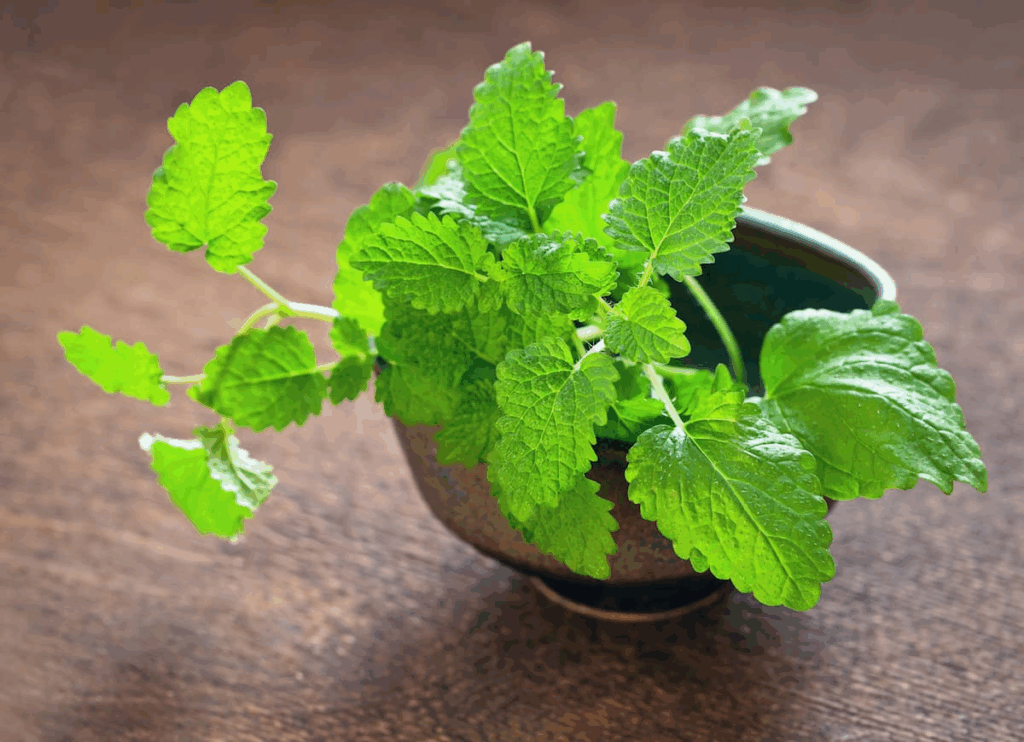
One of the most celebrated benefits of lemon balm is its calming effect. The herb contains compounds that may help reduce feelings of stress and anxiety by promoting relaxation without causing sedation. Drinking lemon balm tea or using it in tinctures can create a soothing ritual that supports emotional balance. Its fresh aroma alone is known to uplift the mood and provide a sense of tranquility. In a fast-paced world, incorporating lemon balm into daily life offers a natural and pleasant way to unwind after a busy day.

Supporting Sleep and Restful Nights
Lemon balm is often used as a natural remedy for mild sleep disturbances. Consuming lemon balm tea before bedtime can help promote restful sleep and reduce occasional sleeplessness. The herb works gently, calming the nervous system and preparing the mind and body for relaxation. Unlike stronger sleep aids, lemon balm allows individuals to rest without experiencing grogginess the following day. For many, adding a cup of lemon balm tea to an evening routine has become a simple yet effective tool for improving sleep quality naturally.
Digestive Health Benefits
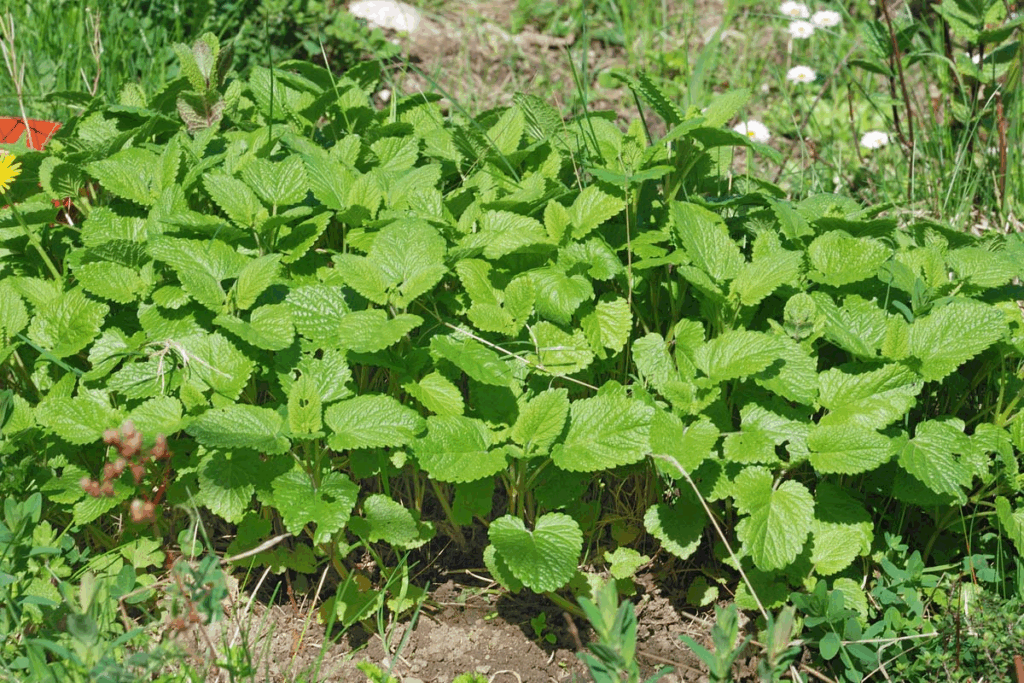
In addition to its calming effects, lemon balm is known to support digestive health. It may help relieve indigestion, bloating, and minor stomach discomfort. The herb can relax the digestive tract muscles and reduce inflammation, aiding smoother digestion. Lemon balm can be consumed as tea after meals or incorporated into meals as a fresh herb to promote a sense of comfort in the digestive system. Its gentle properties make it suitable for both adults and children, offering a natural alternative for minor digestive issues.
Antioxidant and Immune Support
Lemon balm contains antioxidants that protect the body from damage caused by free radicals. These antioxidants help reduce oxidative stress and support overall wellness. While lemon balm should not replace medical treatments or vaccinations, including it in daily routines can contribute to maintaining a strong and healthy immune system. Its natural compounds also complement other healthy habits, reinforcing the body’s resilience against minor illnesses.

Growing Lemon Balm in Your Garden
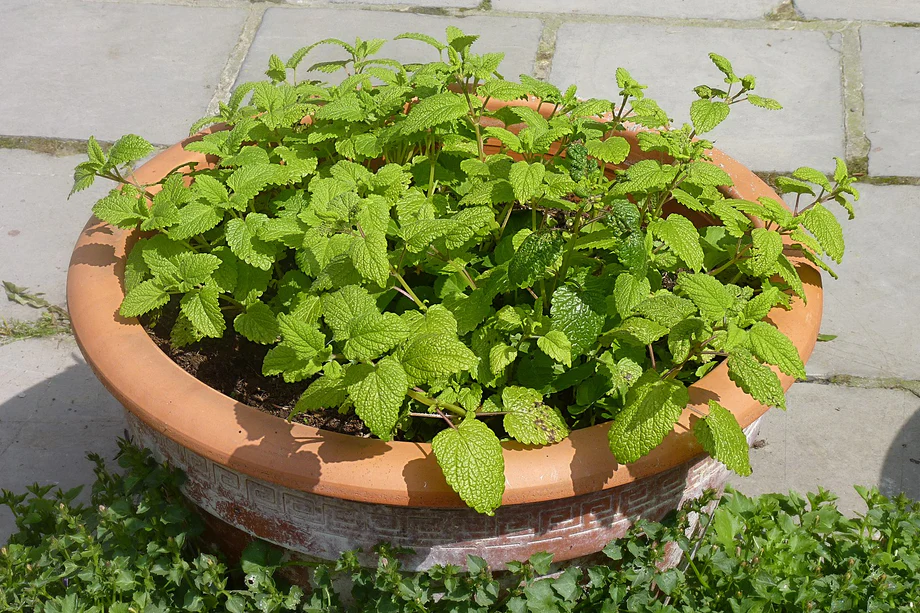
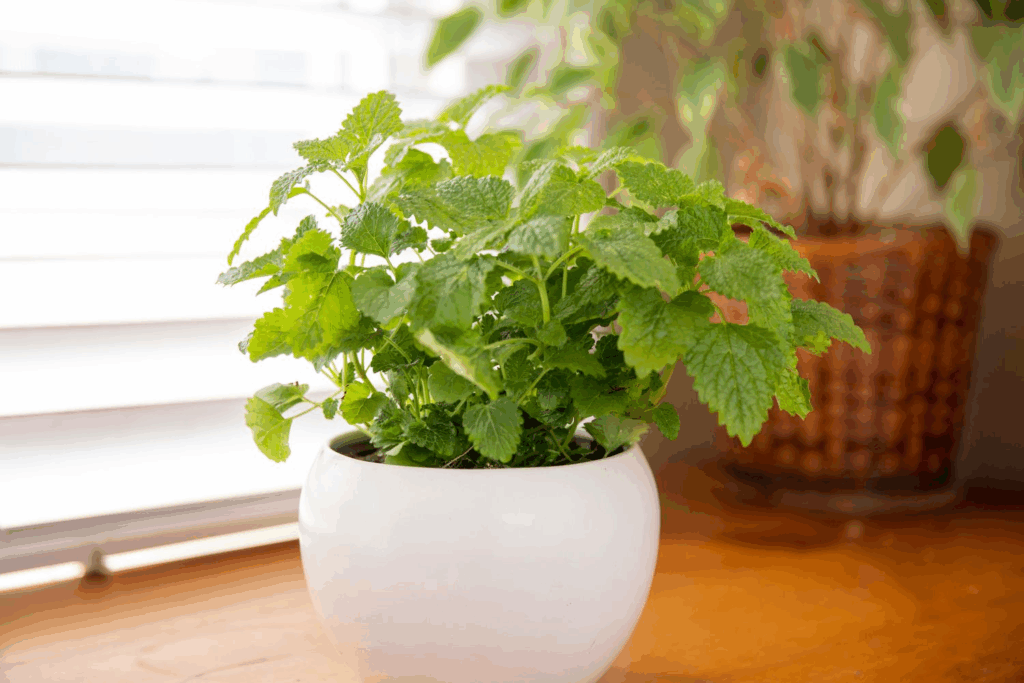
Lemon balm is a hardy and easy-to-grow herb that thrives in both gardens and containers. It prefers well-drained soil and partial to full sunlight. One of its unique qualities is its ability to attract pollinators, such as bees and butterflies, making it beneficial for the overall health of a garden. Regular harvesting encourages fresh growth and ensures a steady supply for culinary and wellness uses. Its low-maintenance nature and versatile applications make it an ideal choice for gardeners of all experience levels.
Culinary Uses of Lemon Balm
Lemon balm’s bright, citrusy flavor makes it a versatile addition to many dishes. Fresh leaves can be added to salads, soups, or desserts for a refreshing taste. Lemon balm is also commonly used to flavor teas, infusions, and homemade beverages. Its mild yet distinct flavor pairs well with other herbs, such as mint, thyme, or rosemary. By incorporating lemon balm into meals, individuals can enjoy both its flavor and its calming benefits in everyday life.
Precautions and Safety
Although lemon balm is generally safe for most people, certain precautions should be observed. Those allergic to mint-family plants should avoid lemon balm. Pregnant or breastfeeding women should consult a healthcare professional before regular use. Lemon balm may also interact with sedatives or thyroid medications. Moderate consumption and careful monitoring ensure safe enjoyment of this soothing herb.
Conclusion
Lemon balm is more than just a fragrant herb; it is a versatile plant that enriches gardens, kitchens, and wellness routines. Its calming effects, digestive support, antioxidant properties, and delightful flavor make it a valuable addition to daily life. From soothing teas to fresh culinary creations, lemon balm provides a natural way to promote relaxation and overall wellness. By planting it in gardens and incorporating it into meals and drinks, Americans are embracing this gentle herb for its many benefits. Lemon balm truly deserves its place as a calming herb every home and garden should enjoy.
Disclaimer
This article is intended for informational and educational purposes only. The content reflects traditional uses and commonly available information about lemon balm. It is not a substitute for professional medical advice. Individuals who are pregnant, breastfeeding, allergic to plants in the mint family, or taking medications should consult a healthcare provider before using lemon balm.