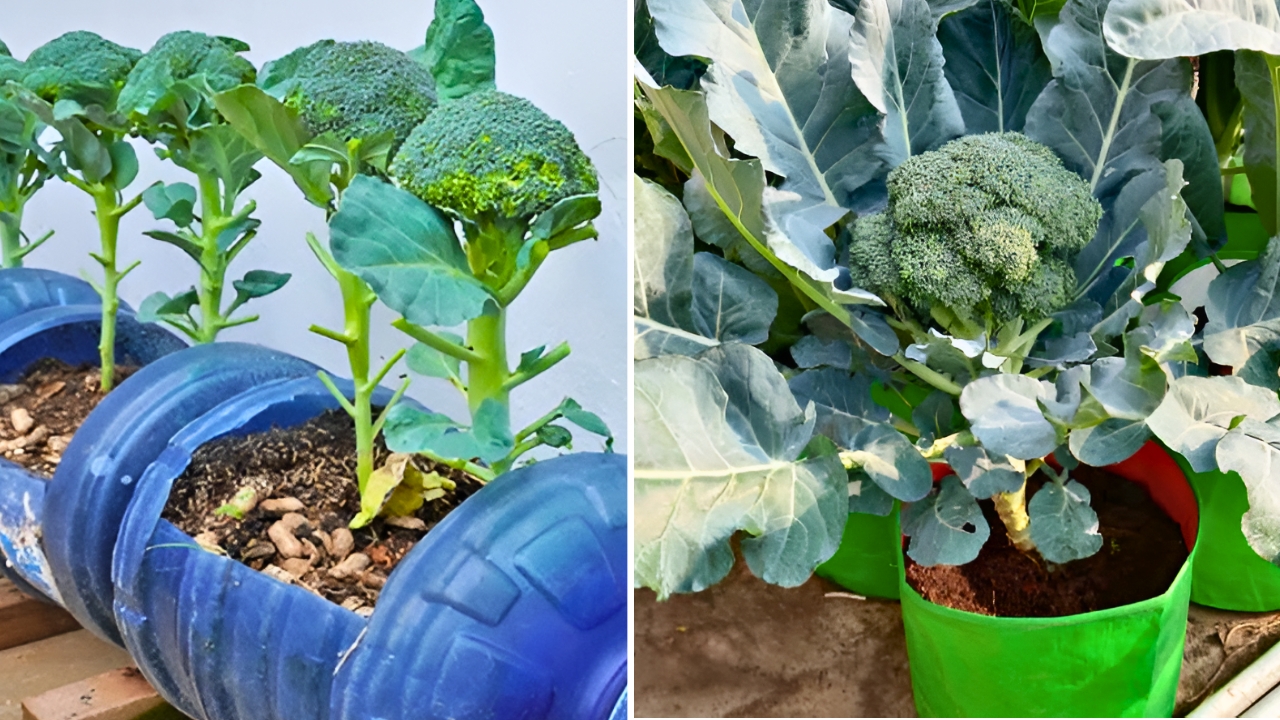
Growing your own vegetables at home can be both rewarding and healthy. Broccoli, in particular, is a nutrient-packed vegetable that thrives in a kitchen garden if given the right care. For beginners, understanding the correct methods to grow organic broccoli quickly is essential. This guide will walk you through everything from selecting seeds to harvesting, ensuring a fast and healthy growth cycle.
Choosing the Right Broccoli Variety
The first step in fast-growing broccoli is selecting the right variety. Some types mature faster than others, so for beginners, early-maturing varieties are ideal. Varieties like Calabrese, Green Magic, or Packman are well-known for quick growth and high yield. Choosing a variety suited to your climate and soil conditions can make a significant difference in how fast your broccoli grows.
Preparing the Soil
Healthy soil is the foundation of any successful garden. Broccoli prefers well-drained, fertile soil rich in organic matter. Before planting, mix compost or well-rotted manure into your garden beds to provide essential nutrients. The soil pH should ideally be between 6.0 and 7.0. Proper soil preparation ensures that the plants can absorb nutrients efficiently, promoting faster growth.
Starting Seeds Indoors
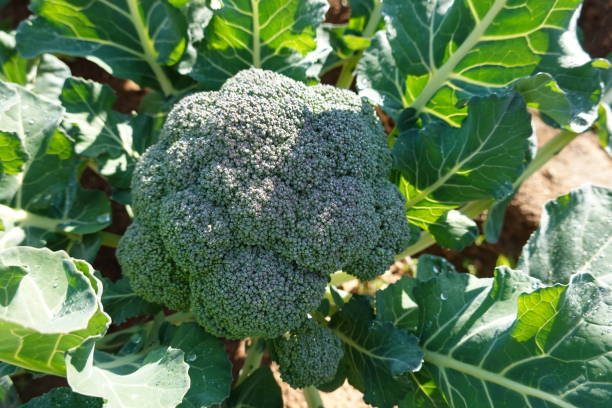
For a head start, consider starting broccoli seeds indoors. Plant the seeds in seed trays or small pots filled with organic seed-starting mix. Keep the soil consistently moist and maintain a temperature around 20 to 24 degrees Celsius. Broccoli seedlings usually take about 4 to 6 weeks to reach transplanting size. Starting seeds indoors gives the plants a head start, especially in cooler climates.
Transplanting Seedlings
Once the seedlings are strong enough, it’s time to transplant them into your garden. Space the seedlings about 18 inches apart to allow enough room for growth. Choose a sunny location with at least six hours of sunlight per day. Water the plants thoroughly after transplanting and consider using organic mulch to retain moisture and suppress weeds. Proper spacing and care at this stage can significantly accelerate growth.
Watering and Fertilizing
Broccoli requires consistent watering to grow fast. Aim to provide one inch of water per week, either through rainfall or irrigation. Avoid overwatering, as this can lead to root rot. Fertilization is equally important. Use an organic fertilizer high in nitrogen to encourage leafy growth. Side-dressing the plants with compost or organic fertilizer every few weeks can help maintain healthy growth throughout the season.
Pest and Disease Management
Pests and diseases can slow down broccoli growth if left unchecked. Common pests include aphids, cabbage worms, and flea beetles. Using organic methods such as neem oil, insecticidal soap, or introducing beneficial insects like ladybugs can protect your plants without chemicals. Rotating crops and maintaining good garden hygiene also reduce the risk of disease, ensuring your broccoli grows quickly and remains healthy.
Supporting Growth with Proper Care
Broccoli plants respond well to regular care. Remove yellowing leaves and keep the garden free of weeds. Mulching not only conserves moisture but also regulates soil temperature, creating an ideal environment for rapid growth. Additionally, ensure that your plants are not overcrowded, as this can reduce airflow and slow development. Consistent attention to these details can make the difference between slow growth and a thriving crop.

Harvesting for Maximum Yield
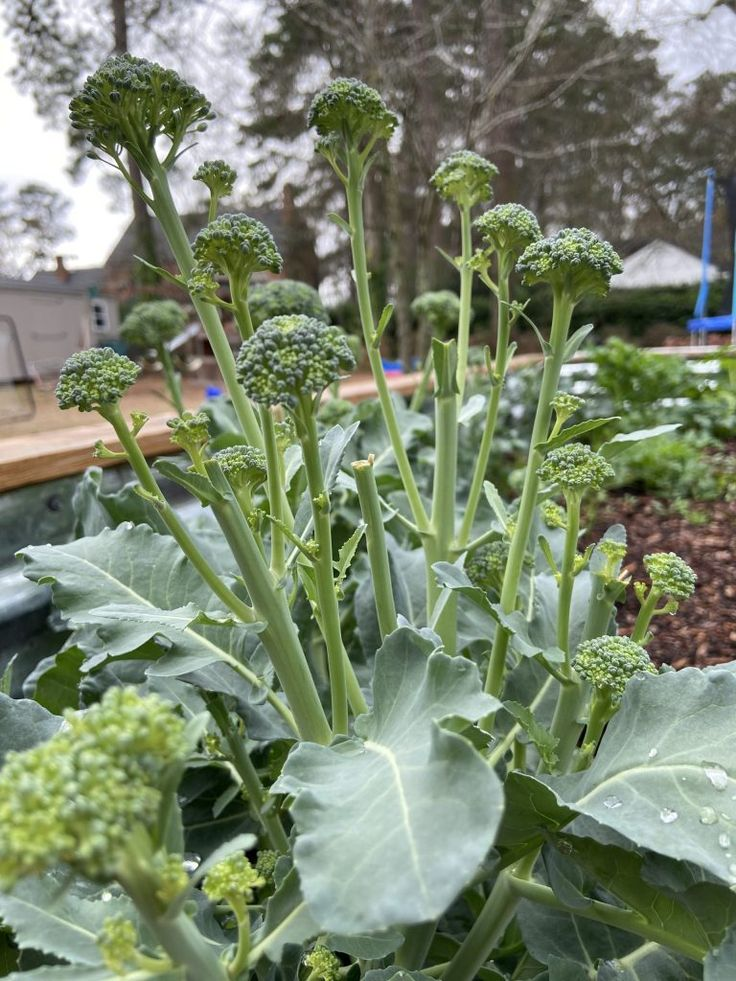
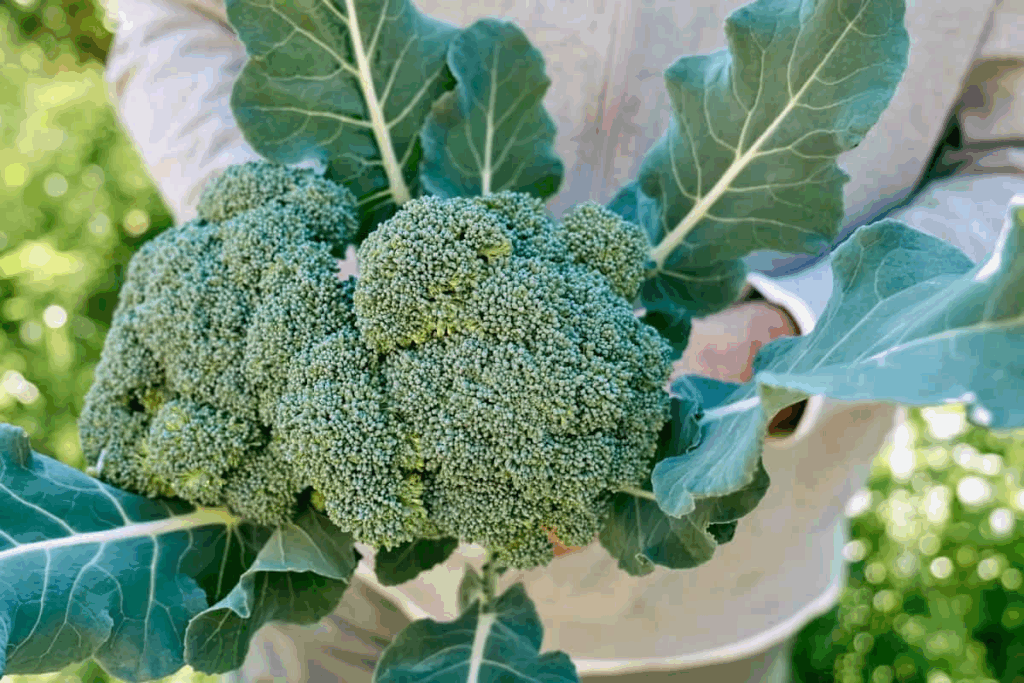
Timing is key when harvesting broccoli. For the best taste and nutritional value, harvest the heads when they are firm and tight, before the florets start to open. Using a sharp knife, cut the main head with a portion of the stalk. Many varieties will produce smaller side shoots after the main head is harvested, providing additional harvests. Proper harvesting encourages the plant to continue producing, ensuring a fast and productive growing season.
Benefits of Growing Organic Broccoli
Growing organic broccoli at home offers several advantages. You control what goes into the soil and on your plants, avoiding synthetic pesticides and fertilizers. Home-grown broccoli is fresher, more flavorful, and packed with vitamins, fiber, and antioxidants. Moreover, growing your own vegetables reduces grocery bills and contributes to a sustainable lifestyle.
Troubleshooting Common Problems
Even with careful planning, challenges may arise. Slow growth can result from poor soil quality, inadequate sunlight, or insufficient water. Yellow leaves often indicate nutrient deficiencies, while stunted growth may be a sign of pests or disease. Regular monitoring and prompt action, such as adjusting watering schedules or applying organic fertilizers, can help you maintain fast-growing, healthy plants.
Final Tips for Beginners
For beginners, patience and observation are crucial. While broccoli grows relatively quickly compared to some vegetables, consistent care will maximize your yield. Keep a gardening journal to track planting dates, growth stages, and any issues encountered. Experimenting with different organic fertilizers and mulching methods can help you identify what works best for your garden. Over time, your efficiency and success with growing broccoli will improve.
Disclaimer
This article is intended for informational purposes only. The advice provided is based on general gardening knowledge and best practices for growing organic broccoli. Individual results may vary depending on climate, soil conditions, and gardening experience. Readers are encouraged to research and consult local agricultural experts before implementing new gardening techniques.