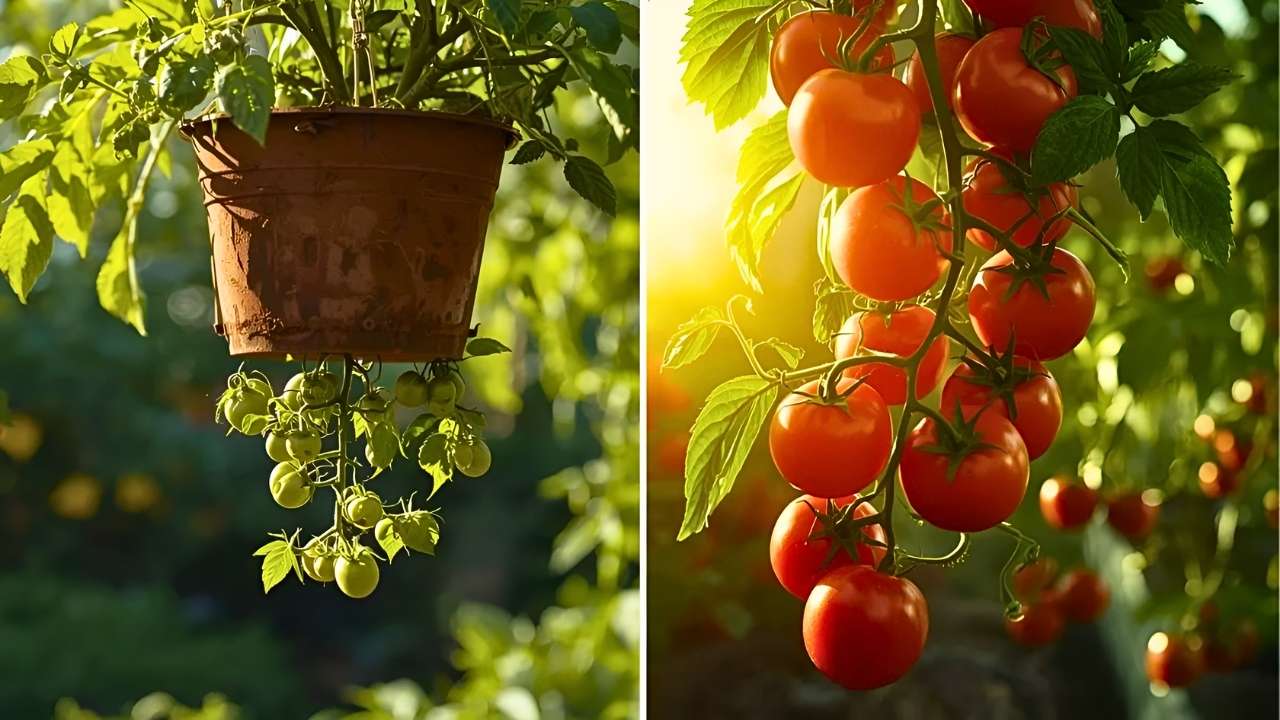
Tomatoes are one of the most popular vegetables grown in home gardens, but not everyone has the luxury of wide garden beds or spacious backyards. For urban dwellers or those with limited outdoor space, growing tomatoes upside down has emerged as a clever solution. This method not only saves space but also encourages healthier plants and bigger harvests. Let’s explore how this unconventional technique works, why it’s effective, and how you can start your own upside-down tomato garden.
Why Grow Tomatoes Upside Down
Traditional tomato gardening requires soil beds, cages, or stakes to support the plants. These setups can be demanding in terms of space and maintenance. Upside-down gardening flips the process—literally. By suspending tomato plants in hanging containers, the vines grow downward naturally, eliminating the need for staking. This approach reduces soil-borne diseases, improves air circulation, and makes harvesting easier. For small balconies, patios, or compact yards, it’s a practical and visually appealing method.
Choosing the Right Tomato Varieties
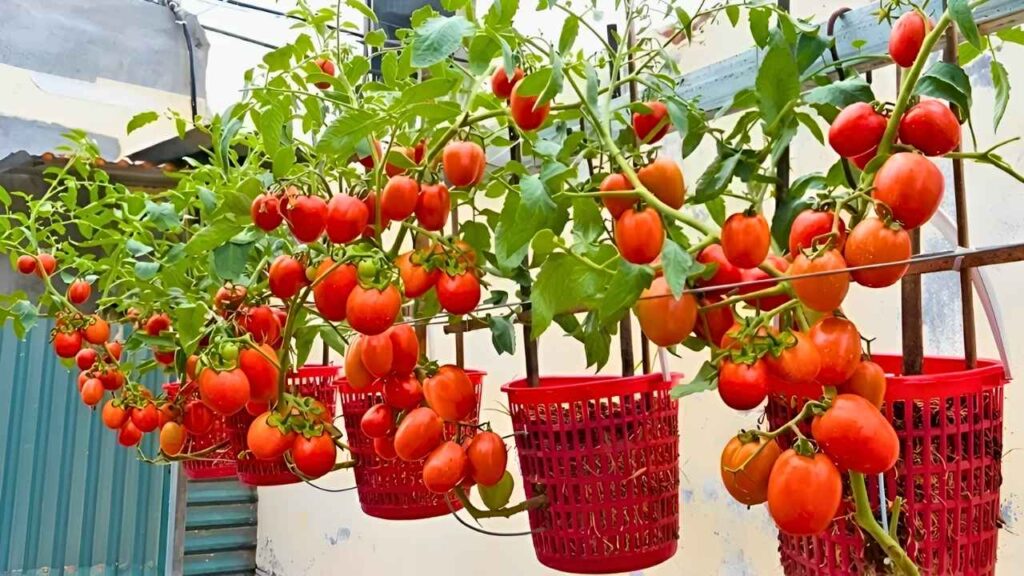
Not all tomato plants thrive when grown upside down. Smaller, compact, or determinate varieties are best suited for this style of gardening. Cherry tomatoes, grape tomatoes, and Roma varieties are excellent choices because they produce abundant fruit without becoming overly heavy. Indeterminate varieties can also be grown, but they may require additional support to prevent breakage as they grow longer and heavier.

Setting Up Your Upside-Down Tomato Garden
To begin, you’ll need a sturdy container with a hole at the bottom. Many gardeners use buckets, specialized upside-down planters, or even recycled containers. The hole should be wide enough to allow the seedling to pass through but snug enough to hold the plant securely. After inserting the seedling through the hole, fill the container with nutrient-rich soil and compost. Water thoroughly, then hang the container in a sunny location where the plant can receive at least six to eight hours of sunlight daily.
Benefits of Upside-Down Gardening
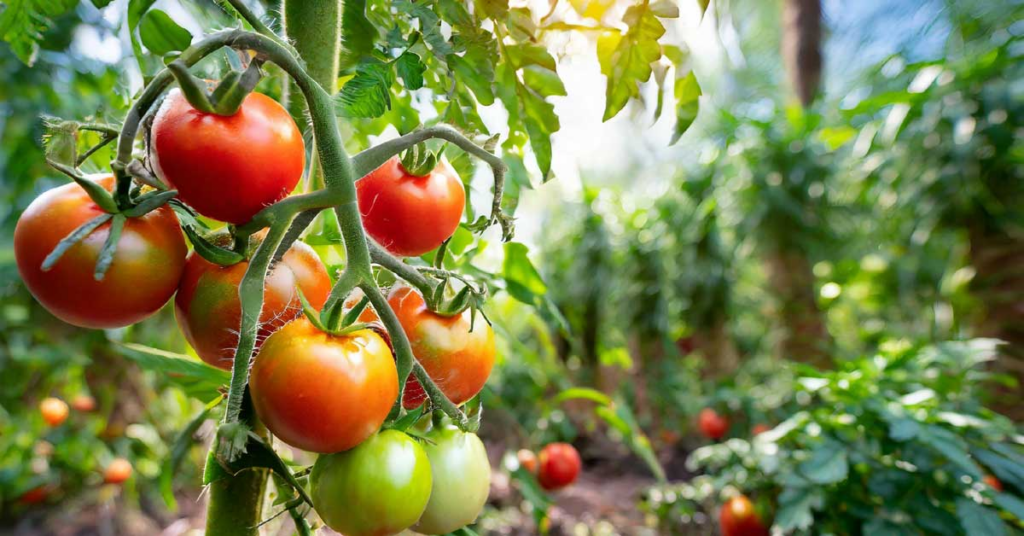
One of the biggest advantages of this method is reduced exposure to pests and soil-borne diseases. Since the plants are elevated, they are less likely to be attacked by crawling insects. The downward growth also prevents fruit from resting on the soil, reducing the risk of rot. Additionally, watering becomes more efficient because moisture drains directly to the roots. The hanging design also doubles as a decorative feature, adding greenery to balconies or patios.
Common Challenges and Solutions
While upside-down gardening offers many benefits, it does come with challenges. The containers can become heavy, especially when filled with soil and water, so secure hooks or stands are essential. Watering must be consistent, as hanging containers dry out faster than ground soil. Fertilizing is also important to ensure the plants receive enough nutrients. Some gardeners add mulch or coconut coir to retain moisture. If the vines grow too long, gentle pruning helps maintain balance and prevents breakage.

Tips for Maximizing Harvest
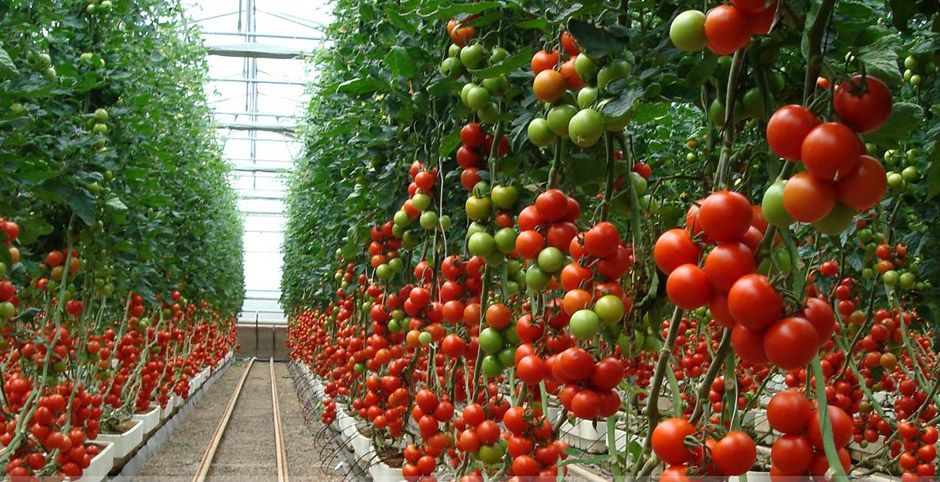
To achieve bigger and healthier harvests, regular care is key. Water daily during hot weather, but avoid overwatering to prevent root rot. Use a balanced fertilizer every two weeks to encourage fruit production. Pinch off suckers—the small shoots that grow between the main stem and branches—to direct energy toward fruiting. Rotate the containers occasionally to ensure even sunlight exposure. With these practices, your upside-down tomato plants will reward you with abundant, juicy tomatoes.
Creative Uses of Upside-Down Gardening
Beyond tomatoes, this method can be applied to other plants such as peppers, cucumbers, and herbs. Hanging gardens create a vertical growing system that maximizes limited space. They also add aesthetic appeal, turning functional gardening into a decorative feature. For apartment dwellers, upside-down gardening provides a way to enjoy fresh produce without needing a traditional garden bed.
Key Highlights
- Upside-down tomato gardening is ideal for small spaces like balconies and patios.
- Compact varieties such as cherry and Roma tomatoes perform best.
- Hanging containers reduce pests, soil diseases, and the need for staking.
- Consistent watering and fertilizing are essential for healthy growth.
- This method doubles as a decorative feature while producing fresh harvests.
Final Words
Growing tomatoes upside down may seem unconventional, but it is a smart, space-saving technique that delivers impressive results. By choosing the right varieties, setting up sturdy containers, and maintaining proper care, you can enjoy a steady supply of fresh, flavorful tomatoes even in the smallest of spaces. Whether you’re a seasoned gardener or a beginner, this method offers a fun and rewarding way to bring homegrown produce into your life.