
Carrots are one of the most rewarding vegetables to grow in your garden. Sweet, crunchy, and packed with nutrients, they are a staple in kitchens worldwide. However, knowing the perfect time to harvest carrots can be tricky. Pulling them up too early can result in small, underdeveloped roots, while waiting too long may lead to woody, bitter carrots. Fortunately, there are several ways to determine readiness without uprooting them, allowing you to enjoy perfectly mature carrots every time.
Understanding Carrot Growth
Before determining the right time to harvest, it is essential to understand how carrots grow. Carrots are root vegetables, meaning the edible part develops underground. They germinate from seeds and slowly develop roots over several weeks. Growth rate depends on factors like soil quality, temperature, and variety.
Most carrot varieties take between 60 and 80 days to reach maturity, but this can vary. While the top of the carrot is hidden in the soil, the upper portion of the root often protrudes slightly, giving gardeners a clue about its size. Observing these signs can help you avoid pulling up carrots prematurely.
Visual Signs Above the Soil
One of the easiest ways to know if your carrots are ready without pulling them is to observe the part of the root that peeks above the soil. The diameter and color of the exposed portion can indicate maturity. A healthy, mature carrot often shows a vibrant orange tip that is about ½ to 1 inch wide, depending on the variety.
You can also check the leaves for signs of readiness. Healthy carrot tops are usually deep green, strong, and upright. When the tops start to show slight yellowing or become less rigid, it may signal that the root below has reached maturity. Keep in mind that different carrot varieties may show these signs at slightly different stages.

Using Soil Observation Techniques
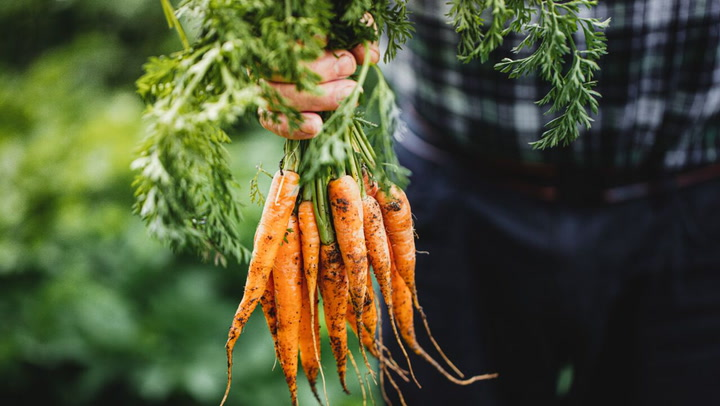
Apart from visual clues, soil observation can help you determine readiness. Gently loosen the soil around the carrot tops using a hand fork or small trowel without disturbing the root. This allows you to see the root’s size while keeping it in place. The surface color, firmness, and diameter are good indicators of whether it is ready for harvest.
Additionally, monitoring the moisture and temperature of the soil is crucial. Carrots develop best in loose, well-drained soil with consistent moisture. Overly dry or compact soil can slow growth and affect the taste and texture of the carrots, even if they appear ready above the surface.
Testing with Minimal Disturbance
For gardeners who want to be precise, a minimal-disturbance test is a reliable method. Carefully remove a small amount of soil around a single carrot to inspect its size. If the carrot has reached the desired thickness and length, the rest of the crop is likely ready to harvest. Replace the soil after checking to protect the root and prevent drying.
Some gardeners also lightly press the top of the carrot to feel firmness. Mature carrots should feel solid and firm. Soft or spongy roots indicate they need more time to develop, while overly hard roots may be overmature.
Timing Based on Carrot Varieties
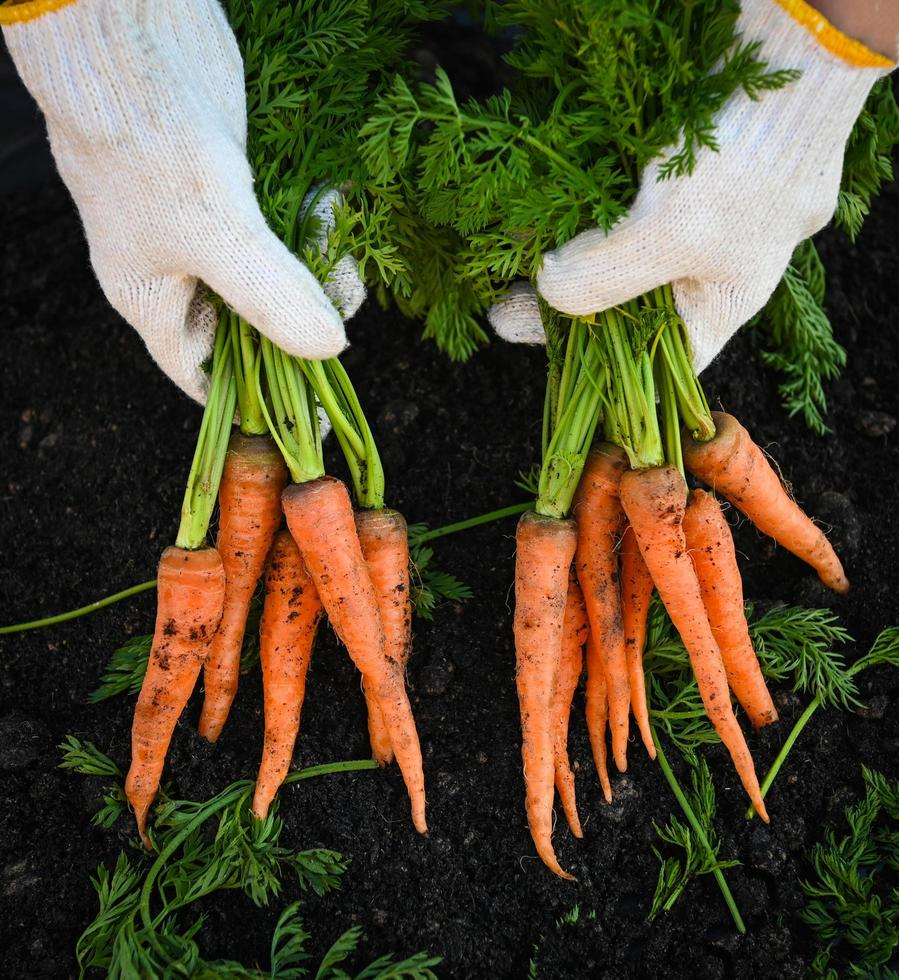
Different carrot varieties mature at different rates, so understanding your specific type is essential. Short, round varieties often mature faster than long, tapered types. For instance, baby carrots can be harvested earlier for a tender texture, while larger varieties require more time. Checking the seed packet or plant label for recommended days to maturity provides a reliable guide for planning your harvest.

Varietal differences also affect the visual cues above the soil. Some varieties have more pronounced tops, while others remain mostly hidden. Adjust your observation techniques accordingly to ensure accurate assessment.
Seasonal Considerations
Carrot harvesting also depends on the season. In cooler climates, carrots may take longer to mature, while warm weather accelerates growth. Carrots grown in late spring or early summer often need careful monitoring to avoid overgrowth during hotter months.
Carrots are generally tolerant of light frosts, which can even enhance their sweetness. Harvesting slightly after the first frost in autumn can yield particularly flavorful roots. Keeping a gardening journal with planting dates and growth observations can help determine the optimal harvesting period for each season.
Harvesting Without Disturbing the Roots
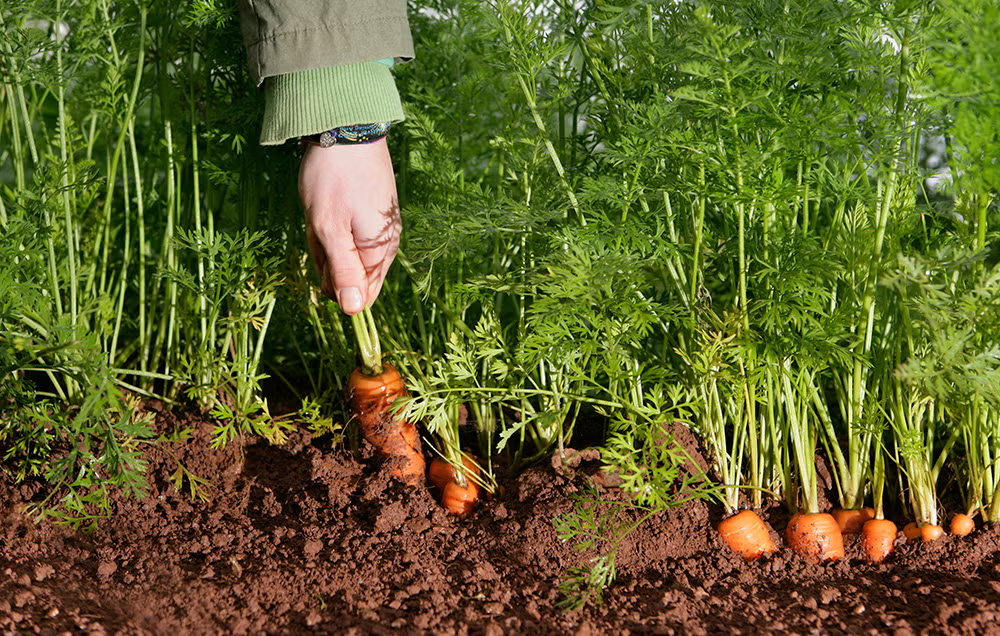
Once you have determined that your carrots are ready, harvesting them without unnecessary disturbance is simple. Use a garden fork or trowel to gently loosen the surrounding soil. Grasp the carrot tops firmly and pull straight up to avoid breaking the roots. This method ensures that the remaining carrots continue to grow undisturbed until they reach maturity.
Regularly monitoring and harvesting mature carrots prevents overcrowding and promotes healthy growth for remaining plants. This approach allows for a continuous supply of fresh carrots throughout the season.

Final Tips for Perfect Carrots
For the best results, maintain consistent watering and fertilization throughout the growth period. Avoid overwatering as this can lead to splitting roots, and ensure soil remains loose to allow unobstructed growth. Companion planting with onions, lettuce, or peas can improve soil health and reduce pests.
By combining visual cues, soil observation, and minimal-disturbance testing, gardeners can harvest carrots at peak flavor and texture without pulling them prematurely. Patience and careful monitoring are key to enjoying sweet, crunchy carrots straight from your garden.
Disclaimer
This article is for informational purposes only. Growing conditions, harvesting times, and carrot varieties may vary depending on region, soil type, and climate. Always consult local gardening experts or official horticultural resources for the most accurate advice.